Aarumi

Aarumi

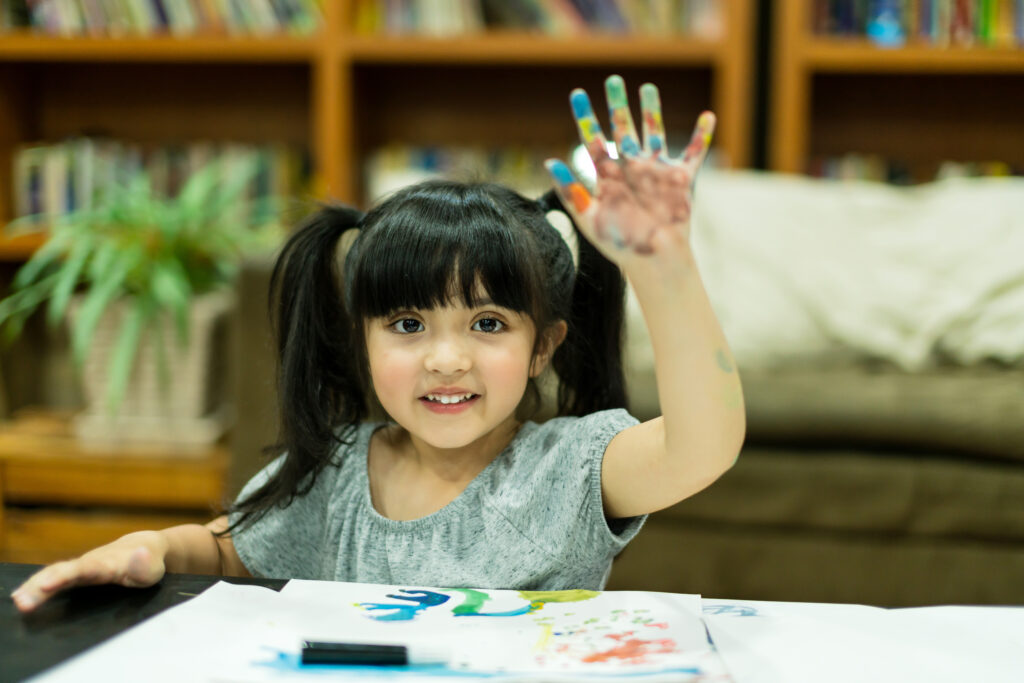
cheerful girl kid enjoy color painting with creativity ideas pre

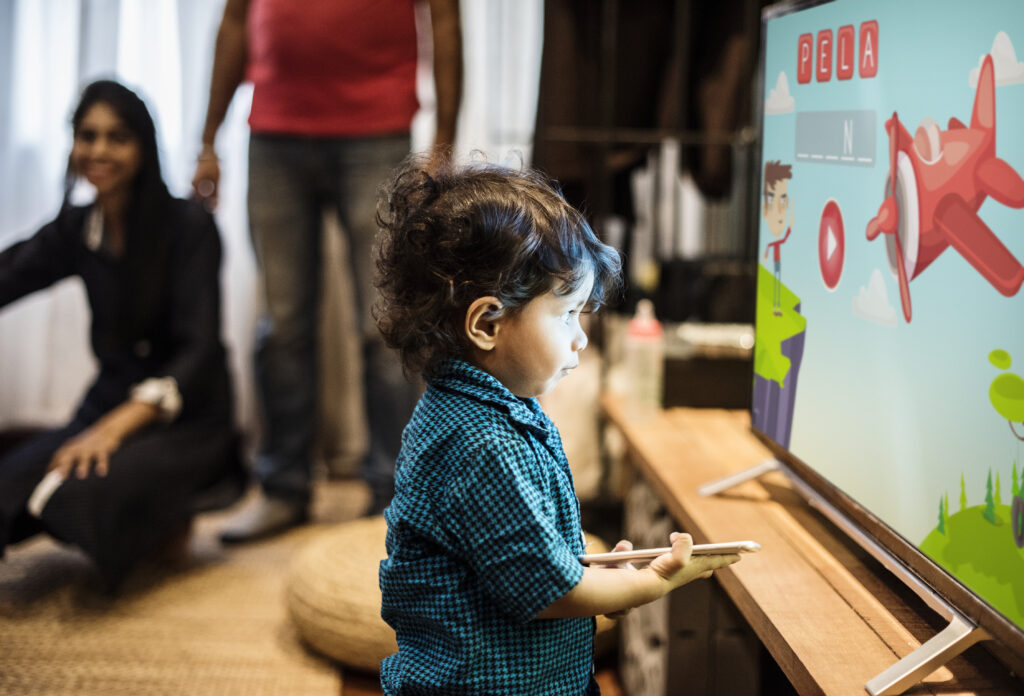
School Readiness for Special Needs Children in Bangalore: Preparing Every Child to Step Into the Classroom With Confidence

Starting school is one of the biggest transitions in any child’s life. For children with special needs, this transition brings an additional layer of complexity, preparation, and planning that can feel genuinely daunting for families. The questions pile up quickly. Will my child be able to manage the classroom environment? Will they be understood by their teacher? Will they make friends? Will they cope with the noise, the routines, and the demands of a school day without becoming overwhelmed? School readiness for special needs children in Bangalore is helping families across the city answer these questions with confidence, by giving children the skills, strategies, and support they need to step into the classroom ready to learn, connect, and thrive. At Aarumi in Bengaluru, school readiness preparation is one of the most important areas of work we do with children in the years before they begin formal education. Furthermore, we work closely with families throughout this process, because we know that a child who arrives at school prepared and supported has the best possible chance of a positive, successful start. What Is School Readiness? School readiness refers to the range of skills, abilities, and behaviours that allow a child to participate successfully in a school environment. It is not just about academic knowledge. Moreover, it is not simply about reaching a certain age. True school readiness encompasses a child’s physical, cognitive, social, emotional, and communication development in a way that prepares them for the full experience of school life. For children with special needs, school readiness is always assessed and addressed individually, because every child brings their own unique profile of strengths and challenges to this transition. What readiness looks like for one child may be very different from what it looks like for another. Consequently, school readiness preparation at Aarumi is always personalised, practical, and built around the specific demands of the school environment the child will be entering. Key Areas of School Readiness School readiness for children with special needs covers a broad range of developmental areas. These include: To learn more about how we address each of these areas within our school readiness programmes, visit our programmes page. Why School Readiness Preparation Matters Research consistently shows that children who begin school with stronger foundational skills across communication, social, emotional, and cognitive domains make faster academic progress, develop more positive relationships with teachers and peers, and experience significantly less anxiety and distress during the transition period. According to the National Council of Educational Research and Training, early childhood education and school readiness preparation are among the most powerful predictors of long-term academic success, particularly for children with developmental differences and disabilities. For children with special needs, the stakes of an unprepared school transition are particularly high. A child who enters school without adequate preparation may quickly become overwhelmed, develop negative associations with learning, and fall significantly behind their peers in ways that are difficult to recover from without intensive additional support. Conversely, a child who enters school well-prepared, with the right skills, the right strategies, and the right support structures in place, is far more likely to have a positive, productive, and enjoyable school experience from the very beginning. Communication Readiness Communication is at the heart of school life. From understanding the teacher’s instructions and asking for help to interacting with peers and participating in group discussions, communication skills are required constantly throughout every school day. For children with special needs, building communication readiness involves: At Aarumi, our speech and language therapy programme directly addresses communication readiness as a priority goal for children approaching school age. Moreover, we work closely with families to extend communication practice into everyday home routines. Social and Emotional Readiness School is an intensely social environment. Children are expected to work alongside peers, share resources, take turns, manage disagreements, and navigate the complex social landscape of the playground, all while managing their own emotional responses to the inevitable frustrations and disappointments of school life. For children with special needs, developing social and emotional readiness involves: Our group therapy and social skills programmes at Aarumi provide exactly the kind of structured, supported peer interaction that builds social and emotional readiness in a safe, positive environment. Sensory Readiness for the Classroom School classrooms are sensory-rich environments. Fluorescent lighting, background noise, close physical proximity to peers, different food smells at lunchtime, and the physical demands of sitting in a chair for extended periods all place significant sensory demands on children who may already find sensory processing challenging. Building sensory readiness for the classroom involves: At Aarumi, sensory readiness preparation is integrated into our occupational therapy programme, ensuring that every child we support has the sensory regulation skills they need to manage the demands of a school environment. To learn more about how we support families through the school readiness process, visit our About page. Collaborating With Schools Effective school readiness preparation does not end when the child walks through the school gate for the first time. Furthermore, it does not happen in isolation from the school itself. The most successful school transitions happen when there is open, collaborative communication between the child’s therapy team, their family, and their school from well before the transition takes place. At Aarumi, we actively support this collaboration by: The First Days of School Even the most thoroughly prepared child may find the first days and weeks of school challenging. New environments, new people, new routines, and new expectations all take time to adjust to. Consequently, it is important for families to maintain realistic expectations during this settling-in period and to stay in close communication with both the school and the therapy team. Signs that a child is settling well include gradually increasing comfort and enjoyment, improving sleep and appetite, and a willingness to talk positively about school experiences. Signs that additional support may be needed include persistent distress around school attendance, significant regression in previously established skills, and increasing anxiety or behavioural difficulties at home. At Aarumi, we remain available to
School Readiness for Special Needs Children in Bangalore: Preparing Every Child to Step Into the Classroom With Confidence Read More »

young indian boy watching television

Cognitive Development and Learning Skills for Special Needs Children in Bangalore: Building the Thinking Skills That Open Every Door

Behind every skill a child learns, every relationship they build, and every challenge they navigate lies a set of cognitive abilities that make it all possible. The ability to pay attention, remember information, solve problems, plan and sequence actions, and think flexibly are not just academic skills. They are the fundamental building blocks of human functioning, and they underpin everything a child does from the moment they wake up to the moment they fall asleep. For children with special needs, cognitive development and learning skills often require deliberate, structured, and highly personalised support to develop effectively. Cognitive development and learning skills support for special needs children in Bangalore is helping families across the city give their children the thinking tools they need to learn, grow, and participate fully in every area of their lives. At Aarumi in Bengaluru, cognitive development support is woven throughout everything we do, because we know that building strong thinking skills is the foundation on which all other learning and development rests. What Are Cognitive Skills? Cognitive skills are the mental abilities that allow a person to acquire knowledge, process information, reason, remember, and apply what they have learned to new situations. They are sometimes referred to as thinking skills, and they form the invisible architecture that supports all learning and daily functioning. Key cognitive skills include: How Cognitive Difficulties Affect Children With Special Needs Many children with special needs experience significant cognitive difficulties alongside their primary diagnosis. These difficulties affect not just academic learning but every dimension of daily life, from following a multi-step morning routine to navigating a social situation, managing emotions, and making decisions. Children with cognitive difficulties commonly experience challenges with: Understanding a child’s specific cognitive profile, including both their areas of strength and their areas of difficulty, is the essential starting point for designing effective, personalised cognitive development support. A Strength-Based Approach to Cognitive Development Effective cognitive development support always begins with strengths. Every child, regardless of the nature or severity of their cognitive difficulties, has areas of relative strength that can be identified, celebrated, and used as the foundation for building new skills. According to the American Association on Intellectual and Developmental Disabilities, a strength-based approach to supporting individuals with intellectual and developmental disabilities produces significantly better outcomes across cognitive, social, and adaptive functioning than approaches that focus primarily on deficits and limitations. At Aarumi, our cognitive development support always starts with a thorough understanding of each child’s unique cognitive profile. We identify what the child can already do, what they find relatively easy, and what genuinely motivates and engages them. Subsequently, we build our support programme around these strengths while carefully and systematically addressing the areas where additional support is needed. Supporting Attention and Concentration Attention is the gateway to all learning. A child who cannot sustain attention long enough to engage with a task, instruction, or interaction cannot learn from it effectively, regardless of their underlying cognitive potential. Consequently, supporting attention development is often one of the first and most important priorities in cognitive development work with children with special needs. Strategies for supporting attention and concentration include: To learn more about our cognitive development and learning support programmes, visit our programmes page. Building Executive Function Skills Executive function skills are among the most important and most commonly affected cognitive abilities in children with special needs. They are the skills that allow a child to plan what they need to do, organise themselves to do it, initiate the task, monitor their progress, and adjust their approach when something is not working. Children with poor executive function often appear disorganised, forgetful, easily frustrated, and unable to manage even relatively simple tasks independently. However, these difficulties are neurological rather than motivational. The child is not being lazy or defiant. Their brain genuinely struggles to perform the executive functions that the task requires. Building executive function skills requires explicit, structured teaching of the specific strategies and habits that support planning, organisation, and self-regulation. These include: Memory and Learning Working memory, the ability to hold information in mind while using it, is one of the cognitive skills most frequently affected in children with special needs. Poor working memory affects a child’s ability to follow multi-step instructions, remember what they were doing when distracted, retain new learning, and apply previously learned information to new situations. Supporting memory development involves both building memory capacity through structured practice and teaching compensatory strategies that reduce the demand on working memory. These strategies include: Generalisation: Taking Learning Into the Real World One of the most significant challenges in cognitive development support for children with special needs is generalisation, the ability to take a skill learned in one context and apply it effectively in a different context. Many children with special needs learn a skill in a therapy room or classroom and then struggle to use it in the real-world situations where it actually matters. Addressing generalisation requires deliberate planning from the very beginning of any cognitive development programme. Skills should be taught across multiple settings, with multiple people, using a variety of materials and situations. Furthermore, families and educators play a crucial role in creating opportunities for the child to practise new cognitive skills in natural, everyday contexts. At Aarumi, generalisation planning is built into every cognitive development programme we deliver. We work closely with families to make sure new thinking skills are being practised and supported consistently across home, school, and community settings. To learn more about how we collaborate with families, visit our About page. Play-Based Cognitive Development For younger children especially, play is the most natural and effective context for cognitive development. Play naturally demands attention, memory, problem-solving, flexible thinking, and social cognition in ways that are motivating, enjoyable, and developmentally appropriate. At Aarumi, we use play-based approaches extensively in our cognitive development work with younger children, because we know that a child who is engaged and enjoying themselves learns faster, retains more, and generalises more effectively than a child who is sitting

Cognitive Development and Learning Skills for Special Needs Children in Bangalore: Building the Thinking Skills That Open Every Door Read More »

kid write a book in the classroom.

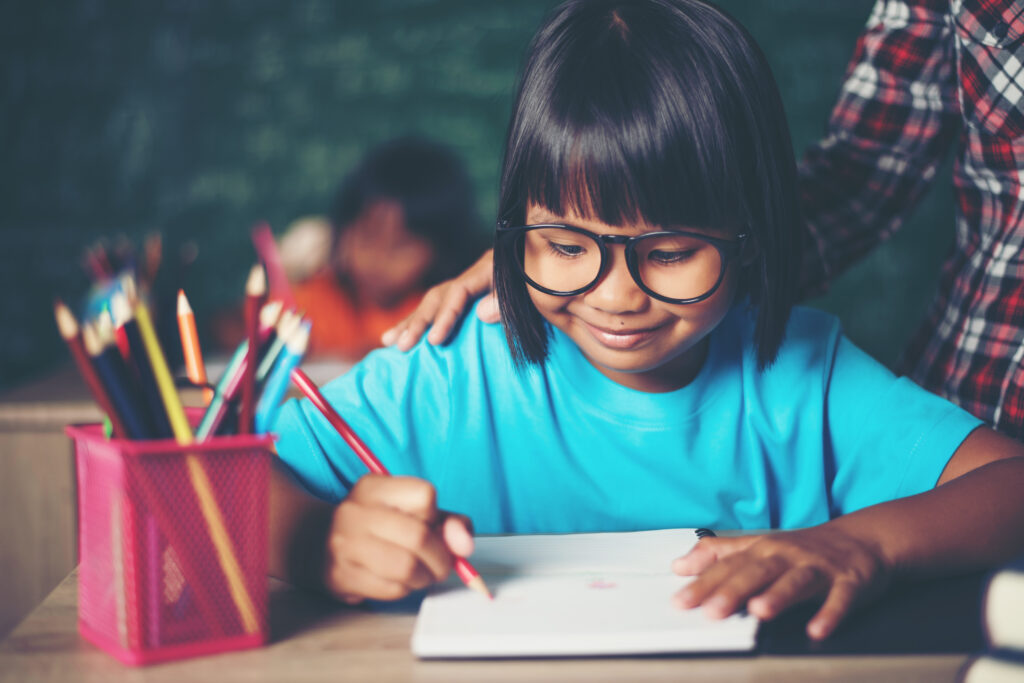
Handwriting and Pencil Skills for Special Needs Children in Bangalore: Building the Foundation for Written Communication and Academic Success

In a world that is increasingly digital, it might be tempting to assume that handwriting matters less than it once did. However, for children navigating their early years of education, the ability to hold a pencil correctly, form letters clearly, and write with reasonable speed and comfort remains one of the most fundamental academic skills they will need. For children with special needs, developing these skills often requires deliberate, structured therapeutic support that goes well beyond what a standard classroom can provide. Handwriting and pencil skills development for special needs children in Bangalore is helping families and educators give children the physical foundation, the sensory readiness, and the motor control they need to engage with written communication confidently and successfully. At Aarumi in Bengaluru, handwriting and pencil skill development is an important part of our occupational therapy programme, because we know that the ability to write comfortably and effectively opens doors to learning, self-expression, and academic achievement that remain closed when handwriting is a source of struggle and frustration. Why Handwriting Can Be So Challenging for Children With Special Needs Handwriting looks simple from the outside. However, it is actually one of the most complex tasks a young child’s brain and body are asked to perform. It requires the simultaneous coordination of fine motor control, visual motor integration, sensory processing, postural stability, attention, memory, and language. Consequently, any difficulty in any of these areas can significantly affect a child’s ability to develop functional handwriting skills. Common reasons why handwriting is challenging for children with special needs include: Understanding the specific reasons behind a child’s handwriting difficulties is essential for designing an effective, targeted support programme. Who Benefits From Handwriting Support? Handwriting difficulties are common across a wide range of developmental conditions. Children who frequently benefit from structured handwriting support include those with: Furthermore, children without a formal diagnosis who are consistently struggling with handwriting tasks in the classroom often benefit significantly from occupational therapy assessment and targeted handwriting support. The Occupational Therapy Approach to Handwriting Occupational therapists are the primary specialists in handwriting assessment and intervention for children with special needs. A thorough occupational therapy handwriting assessment evaluates all of the underlying skills that contribute to functional handwriting, including fine motor control, grip, posture, visual motor integration, and sensory processing. From this assessment, the therapist develops a personalised handwriting programme that addresses the specific underlying factors contributing to the child’s difficulties rather than simply practising letter formation in isolation. According to Handwriting Without Tears, one of the most widely used and well-researched handwriting programmes for children with special needs, effective handwriting instruction must address sensory, motor, and cognitive factors simultaneously to produce lasting improvements in handwriting function. A comprehensive handwriting support programme at Aarumi typically includes: To learn more about our occupational therapy and handwriting support programmes, visit our programmes page. Pre-Writing Skills: Building the Foundation Before a child can begin to form letters, they need a solid foundation of pre-writing skills. These are the basic strokes, shapes, and movement patterns that underlie all letter formation. Developing these skills through play-based, multisensory activities is an essential first step for many children with special needs before formal handwriting instruction begins. Pre-writing activities that build this foundation include: These activities develop the visual motor integration, motor planning, and directional awareness that letter formation requires. Moreover, they build positive associations with mark-making and written expression that support motivation and engagement with handwriting tasks. Pencil Grip and Ergonomics An inefficient or uncomfortable pencil grip is one of the most common contributors to handwriting difficulties in children with special needs. When a child holds their pencil in a way that creates tension, discomfort, or fatigue, writing becomes physically unpleasant long before it becomes academically challenging. Consequently, the child avoids writing tasks, falls behind their peers, and develops negative associations with written work that can persist for years. Occupational therapists assess pencil grip carefully and recommend appropriate modifications where needed. These might include: Furthermore, desk height, chair height, and seating support all play an important role in creating the postural stability that efficient handwriting requires. Our occupational therapists assess and address all of these ergonomic factors as part of a comprehensive handwriting support programme. Supporting Handwriting at Home and at School Handwriting skills develop through consistent, supported practice across all the settings where a child writes. Therefore, what happens at home and at school is just as important as what happens in therapy sessions. At Aarumi, we work closely with families and educators to share the strategies, activities, and approaches being used in therapy so that handwriting practice at home and accommodations at school are aligned with the child’s individual programme. To learn more about how we collaborate with families and schools, visit our About page. Simple ways families can support handwriting development at home include: When Handwriting Remains Difficult For some children with significant physical, sensory, or cognitive difficulties, functional handwriting may always be challenging despite appropriate therapy and support. In these cases, it is important to consider alternative means of written communication that allow the child to access academic learning and self-expression without being held back by handwriting difficulties. Alternatives and accommodations might include: At Aarumi, we always hold the child’s overall academic and personal success as the primary goal. Therefore, if handwriting support alone is not sufficient to give a child full access to written communication, we work with families and schools to find the right combination of intervention and accommodation that removes the barrier entirely. Writing Opens the World The ability to communicate in writing is one of the most powerful tools a person can have. It opens access to education, employment, creativity, and connection in ways that are difficult to replicate through any other medium. Every child deserves the chance to develop this ability to the fullest extent possible, with the right support, the right tools, and the right belief behind them. At Aarumi, we have seen children who once refused to pick up a pencil learn to write their

Handwriting and Pencil Skills for Special Needs Children in Bangalore: Building the Foundation for Written Communication and Academic Success Read More »

disabled senior patient working out

Respite Care and Caregiver Support for Special Needs Families in Bangalore: Because Every Caregiver Deserves to Rest

Caring for a child with special needs is one of the most demanding roles a person can take on. It requires physical energy, emotional resilience, practical knowledge, financial resources, and an almost limitless reservoir of patience and love. Most caregivers give all of these things willingly, because their love for their child is immense and unconditional. However, even the most devoted and capable caregiver has limits. And when those limits are consistently exceeded without rest, recovery, or support, the consequences affect not just the caregiver but the entire family, including the child with special needs at the centre of it all. Respite care and caregiver support for special needs families in Bangalore is a growing and critically important area of family support, helping caregivers find the breathing space, the practical assistance, and the emotional support they need to sustain their caring role over the long term without burning out. At Aarumi in Bengaluru, we recognise that supporting the caregiver is inseparable from supporting the child. Consequently, caregiver wellbeing is something we take seriously and actively address as part of our whole-family approach to support. Understanding Caregiver Burnout Caregiver burnout is a state of physical, emotional, and mental exhaustion that results from the prolonged and often unrelenting demands of caring for a family member with special needs. It is not a sign of weakness or failure. It is a predictable consequence of giving too much for too long without adequate rest, support, or recovery. Caregivers experiencing burnout commonly report: These experiences are extremely common among caregivers of children with special needs. Furthermore, they are completely understandable given the demands of the role. However, left unaddressed, caregiver burnout has serious consequences for the caregiver’s health, the quality of care the child receives, and the overall stability of the family. What Is Respite Care? Respite care refers to temporary relief provided to primary caregivers, giving them a planned break from their caring responsibilities while ensuring the child with special needs continues to receive appropriate, safe, and nurturing care. Respite care can take many different forms depending on the family’s needs, the child’s support requirements, and the resources available. Common forms of respite care include: Crucially, good respite care is not just about giving the caregiver a break. It is also about providing the child with positive, enriching experiences in the company of trained, caring professionals who understand their needs. Consequently, well-delivered respite care benefits both the caregiver and the child simultaneously. Why Respite Care Is Essential, Not Optional Many caregivers feel guilty about using respite care. They worry that needing a break means they are not doing enough, not coping well enough, or not loving their child enough. This guilt is both understandable and entirely misplaced. According to Carers UK, the leading organisation supporting unpaid carers, regular breaks from caring are essential for maintaining physical and mental health, sustaining relationships, and providing high-quality care over the long term. Caregivers who take regular breaks are better able to manage the demands of their role, respond patiently and calmly to their child’s needs, and maintain the quality of care they provide over time. Taking a break is not abandoning your child. It is investing in your ability to keep showing up for them, day after day, with the energy, patience, and love they deserve. Furthermore, children benefit directly when their primary caregiver is rested, regulated, and emotionally available rather than exhausted and depleted. Caregiver Support Beyond Respite Respite care addresses the immediate need for rest and relief. However, caregivers also need ongoing support that addresses the emotional, psychological, and practical dimensions of their role over the long term. Caregiver support beyond respite might include: At Aarumi, caregiver support is woven into our family-centred approach. We provide regular parent consultations, practical guidance, and emotional support to the caregivers of every child we work with, because we know that a supported caregiver is the most powerful therapeutic resource a child can have. To learn more about our family support programmes, visit our programmes page. The Emotional Weight of Caregiving Beyond the practical demands, caregiving carries an enormous emotional weight that is rarely fully acknowledged or understood by those outside the experience. Caregivers grieve, often silently and repeatedly, for the childhood their child might have had, for the family life they imagined, and for the parts of their own life that caregiving has displaced. They carry fear about the future. Worry about what will happen to their child when they are no longer able to provide care. Anxiety about whether they are making the right decisions. Guilt about the moments when they fall short of the parent they want to be. And underneath all of it, a love so fierce and unconditional that it sustains them through everything. This emotional complexity deserves to be acknowledged, validated, and supported. Moreover, caregivers deserve access to professional therapeutic support that helps them process these experiences rather than simply endure them. Building a Support Network One of the most important protective factors for caregiver wellbeing is a strong support network. Caregivers who have people around them, whether family members, friends, other caregivers, or professionals, who genuinely understand their situation and provide practical and emotional support, consistently report better wellbeing and greater resilience than those who feel isolated. Building this network takes deliberate effort, particularly for caregivers whose social world has contracted around the demands of their caring role. However, the investment is always worthwhile. Simple steps such as joining a parent support group, connecting with other families through a centre like Aarumi, or reaching out to a counsellor or therapist can all begin to rebuild the sense of connection and support that sustains long-term caregiver wellbeing. At Aarumi, we actively work to connect families with one another and with the broader support community, because we know that the sense of not being alone is one of the most powerful forms of support available. To learn more about how we support families as a whole, visit our About page. You Cannot Pour

Respite Care and Caregiver Support for Special Needs Families in Bangalore: Because Every Caregiver Deserves to Rest Read More »

closeup of the group of children laughing together.

Sibling Support for Families of Special Needs Children in Bangalore: Nurturing Every Child in the Family

When a child has special needs, the focus of family life naturally shifts towards that child’s care, therapy appointments, school decisions, and daily support needs. This is completely understandable, and in many ways it is necessary. However, amid all of this, another child in the family is watching, absorbing, and experiencing their own complex set of emotions and questions. Siblings of children with special needs are often the unsung members of the family, quietly navigating a childhood that looks and feels very different from that of their peers. Sibling support for families of special needs children in Bangalore is a growing and increasingly recognised area of family support, helping brothers and sisters of children with special needs feel seen, understood, and valued in their own right. Furthermore, it helps entire families build stronger, more compassionate relationships with one another. At Aarumi in Bengaluru, we believe that supporting the whole family means supporting every member of it. Consequently, sibling wellbeing is something we take seriously and actively address as part of our holistic approach to family support. The Unique Experience of Being a Sibling Growing up alongside a brother or sister with special needs is a genuinely unique experience. It brings gifts that many siblings carry with them for life, including exceptional empathy, patience, resilience, and a deep understanding of human difference and dignity. However, it also brings challenges that are rarely acknowledged or addressed. Siblings of children with special needs commonly experience: These experiences are not signs of a failing family. They are the natural emotional landscape of a child navigating an unusually complex set of circumstances, often without the language or the support to process what they are going through. Why Sibling Support Matters Research consistently shows that the wellbeing of siblings has a direct impact on the overall wellbeing of the family system. When siblings feel supported, understood, and valued, family relationships are stronger, parental stress is lower, and the child with special needs also benefits from a more harmonious home environment. Moreover, siblings who receive appropriate support during childhood are more likely to develop a genuinely positive and sustainable relationship with their brother or sister over the long term. According to Sibling Support Project, the world’s oldest and largest organisation dedicated to the interests of siblings of people with special needs, brothers and sisters who have access to peer support and information consistently report greater understanding, less anxiety, and more positive sibling relationships throughout their lives. Conversely, siblings who do not receive support are at higher risk of developing anxiety, depression, behavioural difficulties, and strained family relationships over time. Therefore, investing in sibling support is not an optional extra. It is an essential part of supporting the whole family. What Sibling Support Looks Like Sibling support takes many different forms depending on the age, personality, and specific needs of the child. It is always tailored to the individual sibling rather than following a one-size-fits-all approach. Common forms of sibling support include: Age-Appropriate Information and Explanation One of the most consistent needs that siblings express is the desire to understand what is happening with their brother or sister. Children are perceptive. They notice that their sibling is different, that family life is organised differently, and that their parents carry a particular kind of worry. However, without clear and honest explanation, they fill in the gaps with their imagination, which is often more frightening than the truth. Age-appropriate, honest, and compassionate explanation of a sibling’s condition is one of the most powerful forms of sibling support available. When a child understands why their brother or sister behaves differently, needs different support, and requires more parental attention at certain times, many of the difficult emotions they carry begin to make sense and become more manageable. At Aarumi, we help parents develop the language and the confidence to have these conversations with their neurotypical children in ways that are honest, reassuring, and genuinely helpful. To learn more about our family support programmes, visit our programmes page. Sibling Groups: The Power of Peer Connection One of the most consistently valued forms of sibling support is the sibling group, a space where brothers and sisters of children with special needs meet others who genuinely understand their experience. The relief that many siblings feel when they realise they are not alone, that other children feel the same complicated mixture of love, frustration, pride, and worry, can be profound and immediate. Sibling groups provide: Furthermore, siblings who participate in peer support groups consistently report feeling more positive about their family situation and their relationship with their brother or sister over time. Supporting Parents to Support Siblings Parents are often the most important source of support for their neurotypical children, but they are also frequently stretched to their limits by the demands of caring for a child with special needs. Consequently, supporting parents to find the time, energy, and language to connect meaningfully with their other children is one of the most practical and impactful forms of sibling support available. Simple strategies that parents find helpful include: At Aarumi, we work closely with parents to develop practical, realistic strategies for nurturing their neurotypical children alongside the demands of caring for a child with special needs. To learn more about how we support families as a whole, visit our About page. The Gifts That Siblings Carry It would be a significant omission to talk about sibling experience only in terms of its challenges. Many siblings of children with special needs describe their experience as one of the most formative and enriching of their lives. They speak of a depth of empathy, a capacity for patience, and an understanding of human diversity that they trace directly to growing up alongside their brother or sister. Many siblings go on to careers in healthcare, education, social work, and advocacy, driven by the values and perspectives that their family experience instilled in them from an early age. Furthermore, many describe their relationship with their brother or sister as one of

Sibling Support for Families of Special Needs Children in Bangalore: Nurturing Every Child in the Family Read More »

Social Stories and Visual Supports for Special Needs Children in Bangalore: Building Understanding, Reducing Anxiety, and Creating Confidence

Every day is full of situations that most of us navigate without a second thought. Walking into a new place. Waiting in a queue. Joining a group activity. Dealing with an unexpected change in plans. For children with special needs, however, these everyday situations can feel genuinely bewildering, unpredictable, and anxiety-provoking. Social stories and visual supports for special needs children in Bangalore are helping families and educators give children the tools they need to understand the world around them, anticipate what is coming next, and move through daily life with greater confidence and calm. At Aarumi in Bengaluru, social stories and visual supports are woven into much of our therapeutic and educational work, because we know that when a child understands what is happening and what is expected of them, anxiety decreases and participation increases. What Are Social Stories? Social stories are short, structured narratives that describe a specific social situation, event, or concept from the child’s perspective. They were developed by educator Carol Gray in 1991 and have since become one of the most widely used and well-researched tools in special needs education and therapy worldwide. A social story typically describes: Social stories are written at the child’s comprehension level and often accompanied by simple illustrations or photographs to make them more accessible and engaging. Moreover, they are always written from a positive, supportive perspective that affirms the child’s ability to manage the situation successfully. According to The Gray Center, social stories share accurate social information in a patient and reassuring way that is easily understood by the child, helping them navigate social situations with greater understanding and confidence. What Are Visual Supports? Visual supports are any tools that use images, symbols, objects, or written words to communicate information visually rather than relying solely on spoken language. They are among the most universally effective tools available for supporting children with special needs across a wide range of settings and situations. Visual supports include a broad range of tools such as: Furthermore, visual supports can be created in many different formats, from simple hand-drawn pictures and photographs to professionally produced symbol systems and digital apps, depending on the child’s needs, preferences, and level of understanding. Why Visual Supports Are So Effective Many children with special needs are strong visual learners. They process and retain visual information more effectively than auditory information, meaning that a picture or symbol communicates far more reliably than a spoken instruction alone. Consequently, adding visual supports to verbal communication dramatically increases comprehension and reduces the anxiety that comes from not understanding what is happening or what is expected. Visual supports are effective for children with special needs because they: Social Stories for Managing Transitions and New Situations Transitions and new situations are among the most common triggers for anxiety and challenging behaviour in children with special needs. Moving between activities, visiting a new place, meeting new people, or dealing with a change in routine can all feel genuinely threatening to a child whose nervous system depends on predictability and sameness for a sense of safety. Social stories address this directly by preparing the child in advance for what to expect. Instead of encountering a new situation cold and without context, the child has already read or heard a story that describes the situation, explains what will happen, and affirms that they can manage it. Consequently, the situation feels far less threatening when it arrives. At Aarumi, we create personalised social stories for children facing specific transitions or challenging situations, whether that is starting a new school, visiting the dentist, managing a fire drill, or joining a new therapy group. To learn more about our therapeutic and educational support programmes, visit our programmes page. Using Visual Schedules to Support Daily Routines One of the most widely used and consistently effective visual supports is the visual schedule. A visual schedule shows a child the sequence of activities that will happen during their day, using pictures, symbols, or photographs to represent each activity in order. Visual schedules are effective because they answer the question that many children with special needs ask constantly, either verbally or through their behaviour: what is happening next? When a child can look at their schedule and see exactly what is coming, the uncertainty that drives so much anxiety and challenging behaviour is dramatically reduced. Moreover, visual schedules support independence. A child who can check their own schedule and move to the next activity without needing an adult to tell them what to do is developing genuine self-management skills that will serve them throughout their life. Creating Effective Social Stories and Visual Supports Not all social stories and visual supports are equally effective. The most useful ones share certain key qualities. First, they are written or designed at the child’s level of comprehension. Second, they use images or symbols that are meaningful and recognisable to the child. Third, they are introduced and used consistently across all settings. Furthermore, they are reviewed and updated regularly as the child’s needs and circumstances change. At Aarumi, our therapists and educators create personalised social stories and visual supports for each child we work with, making sure these tools are practical, meaningful, and genuinely effective in supporting the child’s understanding and participation. We also provide detailed guidance to families on how to use these tools consistently at home. Involving Families and Schools Social stories and visual supports are most effective when they are used consistently across all the environments a child moves through. A visual schedule that is used at home but not at school, or a social story that is read at therapy but never revisited at home, will have limited impact. Therefore, at Aarumi, we work closely with families and educators to make sure the visual supports and social stories we develop are understood, implemented, and maintained consistently across home, school, and therapy settings. To learn more about how we collaborate with families in our work, visit our About page. Small Tools, Significant Impact Social stories and

Social Stories and Visual Supports for Special Needs Children in Bangalore: Building Understanding, Reducing Anxiety, and Creating Confidence Read More »

medium shot smiley girl sitting table

Feeding Therapy and Mealtime Support for Special Needs Children in Bangalore: Helping Every Child Eat With Comfort, Confidence, and Joy

Mealtimes should be one of the most natural and enjoyable parts of a child’s day. However, for many families of children with special needs, mealtimes are among the most stressful, exhausting, and emotionally charged experiences of daily life. A child who refuses entire food groups, gags at certain textures, melts down when foods touch on the plate, or simply cannot manage the physical act of chewing and swallowing safely is not being difficult. Their brain and body are telling them something important, and they need the right support to move forward. Feeding therapy and mealtime support for special needs children in Bangalore is helping families across the city transform mealtimes from a source of daily stress into a genuinely positive experience. With the right therapeutic approach, the right pacing, and the right support at home and in the clinic, meaningful progress is possible for every child. At Aarumi in Bengaluru, feeding and mealtime support is part of our holistic approach to child development, because we understand that eating well is not just about nutrition. It is about comfort, connection, independence, and quality of life. Why Mealtimes Can Be So Challenging for Children With Special Needs Eating is one of the most complex things a human body does. It requires the coordination of sensory processing, oral motor skills, attention, emotional regulation, and social interaction all at the same time. Consequently, children with special needs who have difficulties in any of these areas often find mealtimes genuinely overwhelming. Common reasons why mealtimes are challenging for children with special needs include: Understanding the specific reasons behind a child’s mealtime difficulties is the essential first step towards addressing them effectively and compassionately. What Is Feeding Therapy? Feeding therapy is a specialised form of therapeutic support that addresses the physical, sensory, behavioural, and emotional factors that contribute to mealtime difficulties in children. It is typically delivered by a speech and language therapist with specialist feeding training, often working alongside an occupational therapist to address the sensory processing dimensions of feeding challenges. According to ASHA, the American Speech-Language-Hearing Association, feeding and swallowing disorders in children can affect their nutrition, hydration, growth, and social participation, making early and appropriate intervention essential. Feeding therapy for children with special needs typically addresses: Sensory-Based Feeding Difficulties Sensory-based feeding difficulties are among the most common reasons children with special needs struggle at mealtimes. A child with sensory processing differences may find certain food textures, temperatures, or smells genuinely overwhelming rather than simply unpleasant. Crunchy foods, mixed textures, strong smells, or foods with visible lumps can all trigger genuine distress responses that are neurological rather than behavioural. Feeding therapy addresses sensory-based difficulties through a gradual, structured desensitisation process. First, the child is supported to tolerate the presence of challenging foods without pressure to eat them. Then, they are gradually supported to interact with the food in other ways, such as touching, smelling, or playing with it, before any expectation of tasting or eating is introduced. This slow, respectful approach reduces anxiety, builds trust, and creates positive associations with previously feared foods over time. Consequently, many children who initially accepted only a very small range of foods gradually expand their diet in meaningful and sustainable ways. Oral Motor Difficulties and Feeding Some children with special needs have oral motor difficulties that affect their physical ability to chew, move food around the mouth, and swallow safely and efficiently. These difficulties are common in children with cerebral palsy, Down syndrome, hypotonia, and other conditions affecting muscle tone and coordination. Oral motor therapy addresses these challenges through targeted exercises and activities that strengthen and coordinate the muscles involved in eating and swallowing. Moreover, therapists provide detailed guidance on appropriate food textures, portion sizes, pacing strategies, and positioning to ensure that mealtimes are as safe and comfortable as possible. At Aarumi, our feeding therapy approach addresses both the sensory and oral motor dimensions of mealtime difficulties, ensuring that every child receives the most comprehensive and effective support possible. To learn more about our feeding and mealtime support programmes, visit our programmes page. Building Positive Mealtime Experiences One of the most important goals of feeding therapy is building genuinely positive associations with mealtimes and with food. For many children with special needs, repeated negative mealtime experiences have created significant anxiety and avoidance around eating. Therefore, feeding therapy takes a slow, pressure-free approach that prioritises the child’s comfort and emotional safety above all else. Progress in feeding therapy is always celebrated, however small it might appear to an outside observer. A child who previously refused to be in the same room as a certain food and who now tolerates it on the table has made real, meaningful progress. Furthermore, each small step forward builds the foundation for the next step, creating a gradual but genuine expansion of the child’s comfort and capability around food. The Role of the Family in Feeding Therapy Feeding therapy is most effective when families are actively involved in the process. Mealtime habits, routines, and responses at home have an enormous impact on a child’s relationship with food, and the strategies used in therapy need to be consistently applied at mealtimes at home to produce lasting change. At Aarumi, parent coaching is a central part of our feeding therapy programme. We help families understand the reasons behind their child’s mealtime difficulties, develop realistic home mealtime strategies, and build the confidence to support their child calmly and consistently even during the most challenging meals. To learn more about how we support families throughout the therapeutic process, visit our About page. Creating a Positive Mealtime Environment Alongside direct feeding therapy, the mealtime environment itself plays a significant role in how comfortably a child is able to eat. Simple adjustments to the mealtime setting can make a meaningful difference to a child’s regulation and engagement during meals. Strategies that many families find helpful include: Feeding Therapy as Part of a Broader Support Plan Feeding difficulties rarely exist in isolation. They are usually connected to broader sensory processing,

Feeding Therapy and Mealtime Support for Special Needs Children in Bangalore: Helping Every Child Eat With Comfort, Confidence, and Joy Read More »

dragos gontariu 54vab3f1z6w unsplash

Art Therapy for Special Needs Children in Bangalore: Unlocking Expression, Confidence, and Healing Through Creative Arts

Some of the most powerful moments of communication happen without a single word. A child who cannot yet say how they feel picks up a paintbrush and tells you everything. A young person who struggles to connect with others sits beside a therapist and loses themselves in a shared creative process. These moments are at the heart of art therapy, and they happen every day with children who have found that creativity gives them something that words alone cannot. Art therapy for special needs children in Bangalore is helping families discover what becomes possible when a child is given the space, the materials, and the skilled support to express themselves creatively. The results go far beyond what ends up on the page or the canvas. They show up in greater confidence, calmer behaviour, stronger communication, and a growing sense of self that changes how a child moves through the world. At Aarumi in Bengaluru, art therapy is a valued part of our therapeutic offering, because we know that creative expression is not a luxury for children with special needs. It is a necessity. What Is Art Therapy? Art therapy is a structured, evidence-based form of therapy that uses creative art-making as the primary means of communication and therapeutic exploration. Importantly, art therapy is not art class. A child does not need any artistic skill or talent to benefit from it. Furthermore, the finished artwork is never the point. Instead, the process of creating is what matters, and what the therapist observes and works with throughout. According to the British Association of Art Therapists, art therapy uses art media as the primary means of communication within the therapeutic relationship, providing a safe space for people to explore difficult feelings, develop self-awareness, and achieve personal growth. A trained art therapist designs sessions using a range of creative materials and processes including: Why Art Therapy Is Particularly Valuable for Children With Special Needs Many children with special needs find verbal communication genuinely difficult. They may lack the words to describe their inner experiences, struggle to organise their thoughts into spoken language, or feel too anxious to express themselves directly. Art therapy sidesteps all of these barriers. Instead of requiring words, art therapy invites the child to create. Then the therapist works with what emerges from that creative process. Consequently, children who have never been able to express how they feel verbally can communicate profound things through colour, shape, texture, and image. Art therapy is particularly valuable for children with special needs because it: What Art Therapy Can Address Art therapy supports a wide range of emotional, developmental, and behavioural goals. These include: To learn more about how art therapy fits within our broader therapeutic programmes, visit our programmes page. Art Therapy and Emotional Expression One of the most powerful aspects of art therapy is the way it allows children to express emotions that they cannot access or communicate verbally. Anger, grief, fear, confusion, joy, and love can all find expression through colour, image, and form in ways that feel safe and manageable. Moreover, the art-making process itself is often regulating. The repetitive motion of drawing or painting, the sensory experience of working with clay or collage materials, and the focused attention that creative work demands all have a naturally calming effect on the nervous system. Consequently, many children arrive at art therapy sessions in a state of dysregulation and leave feeling noticeably calmer and more settled. At Aarumi, our art therapists pay close attention to each child’s creative process throughout every session. They notice what materials the child is drawn to, how they use them, what images and themes emerge, and how these connect to the child’s broader emotional and developmental life. Art Therapy and Sensory Processing Art therapy and sensory processing support are naturally well-aligned. Many children with special needs have significant sensory processing differences that affect how they experience touch, texture, pressure, and visual input. Art-making provides a structured, purposeful context for sensory exploration that is therapeutically rich and inherently motivating. Working with clay provides deep proprioceptive input. Finger painting offers tactile stimulation. Collage-making involves the exploration of different textures and surfaces. Furthermore, each of these experiences can be carefully calibrated by the therapist to provide exactly the kind and degree of sensory input that each individual child needs. At Aarumi, we integrate sensory processing awareness into our art therapy approach, making sure the materials and activities chosen for each session genuinely support each child’s sensory regulation needs alongside their broader therapeutic goals. What an Art Therapy Session Looks Like Art therapy sessions are structured but responsive, always following the child’s lead within a clear therapeutic framework. The therapist creates a consistent, welcoming environment where materials are predictably available and the child knows what to expect. A typical session might include: Throughout every session, the therapist tracks what emerges in the child’s creative work. Subsequently, they use these observations to inform goal-setting, progress review, and communication with families and the broader therapeutic team. Involving Families in Art Therapy Parents and caregivers play an important role in supporting the benefits of art therapy beyond the session itself. Simple creative activities at home, such as drawing together, exploring different art materials, or simply providing a regular space for free creative expression, all reinforce the therapeutic work happening in sessions. At Aarumi, we share observations and practical suggestions with families regularly so that creative expression becomes a valued and supported part of daily home life rather than something that happens only in the therapy room. To learn more about how we involve and support families in our work, visit our About page. Art Therapy as Part of an Integrated Support Plan Art therapy is most effective when it operates as part of a broader, joined-up therapeutic support plan. For children with special needs, this means art therapy working alongside speech and language therapy, occupational therapy, behavioural support, and special education. At Aarumi, our multidisciplinary team shares information and aligns goals across all areas

Art Therapy for Special Needs Children in Bangalore: Unlocking Expression, Confidence, and Healing Through Creative Arts Read More »

zachary kadolph 5giijwvt9o8 unsplash

Music Therapy for Special Needs Children in Bangalore: Finding Expression, Connection, and Joy Through Music

Music has a unique power to reach people in ways that words sometimes cannot. It crosses language barriers, bypasses cognitive defences, and connects directly with emotion, memory, and movement in ways that even the most experienced therapists find remarkable. For children with special needs, music therapy offers something truly special: a pathway to expression, connection, and growth that feels joyful rather than clinical, natural rather than forced, and deeply, genuinely engaging. Music therapy for special needs children in Bangalore is helping families across the city discover what happens when a child who struggles to communicate verbally finds their voice through a drum, a keyboard, or a simple song. The results are often extraordinary. At Aarumi in Bengaluru, music therapy is a valued part of our therapeutic approach, because we know that when a child is engaged, motivated, and genuinely enjoying what they are doing, learning and growth happen faster and more naturally than in almost any other context. What Is Music Therapy? Music therapy is a structured, evidence-based therapeutic approach that uses music and musical activities to address a child’s physical, emotional, cognitive, communicative, and social needs. Crucially, music therapy is not music lessons. A child does not need any musical ability or prior experience to benefit from it. Furthermore, the goal is never musical performance. Instead, the goal is always the child’s overall wellbeing and development. According to the World Federation of Music Therapy, music therapy uses music within a therapeutic relationship to support individuals in improving, maintaining, or restoring their health and wellbeing across physical, emotional, mental, social, and cognitive domains. A trained music therapist designs and delivers sessions using a range of musical activities including: Why Music Reaches Children With Special Needs So Effectively Music engages the brain differently from almost any other activity. It activates multiple areas simultaneously, including those responsible for movement, emotion, memory, language, and social connection. Consequently, music therapy can reach children who find other therapeutic approaches less accessible or less engaging. For children with limited verbal communication, music offers an alternative channel for expression that does not depend on words. For children with sensory processing differences, carefully chosen music can be deeply regulating and calming. For children with social communication difficulties, shared musical activities create natural opportunities for joint attention, turn-taking, and genuine connection. Moreover, music is inherently motivating for most children. Therefore, engagement in music therapy sessions tends to be high even for children who struggle to sustain attention in other settings. What Music Therapy Can Support Music therapy addresses a wide range of developmental, communicative, emotional, and social goals. These include: To learn more about how music therapy fits within our broader developmental support programmes, visit our programmes page. Music Therapy and Communication Development One of the most powerful applications of music therapy for children with special needs is in the area of communication development. Rhythm, melody, and repetition in music naturally support language processing and production in the brain. As a result, many children who find verbal communication difficult show notable progress in language and communication skills through consistent music therapy involvement. Songs with repetitive structures and predictable patterns give children a safe framework within which to practise vocalisation, word production, and turn-taking. Furthermore, the emotional engagement that music creates often motivates children to attempt communication they would not otherwise initiate. For non-verbal or minimally verbal children, music therapy can provide an immediate, meaningful form of self-expression through vocalisation, instrument play, and movement. Consequently, it can significantly reduce the frustration that communication difficulties often produce. Music Therapy and Emotional Regulation Rhythm is one of the most powerful tools available for supporting emotional regulation in children with special needs. The predictable, repetitive nature of rhythm provides a sense of safety and structure that the nervous system finds naturally regulating. Slow, steady drumming can help bring a dysregulated child back to calm. Energetic, rhythmic movement can help a child who needs sensory input find appropriate release. Quiet, melodic music can create a calming transition between activities. Moreover, learning to control the pace and volume of their own musical expression gives children a direct experience of self-regulation that transfers to other areas of their daily life. At Aarumi, our music therapists use rhythm and music deliberately and skillfully to support each child’s individual regulation needs throughout every session. What a Music Therapy Session Looks Like Music therapy sessions are structured but flexible, always following the child’s lead within a clear therapeutic framework. Sessions typically begin with a familiar greeting song that signals the start of the session and helps the child transition in. Subsequently, a range of musical activities addresses specific therapeutic goals. Finally, a closing song marks the end of the session and supports a smooth transition out. Throughout the session, the therapist responds moment to moment to the child’s engagement, energy, and communication, adapting the music and activities to meet the child exactly where they are. Sessions typically include: Involving Families in Music Therapy Parents and families play an important role in extending the benefits of music therapy beyond the session itself. Simple musical activities at home, such as singing familiar songs during daily routines, using rhythm to signal transitions, or playing calm music during emotionally challenging moments, can all reinforce the therapeutic work happening in sessions. At Aarumi, we share practical musical strategies with families so that music becomes a useful therapeutic tool throughout the day, not just during formal sessions. To learn more about how we involve and support families in our work, visit our About page. Music Therapy Alongside Other Therapeutic Support Music therapy is most effective when it forms part of a broader, integrated therapeutic support plan. For children with special needs, this means music therapy working alongside speech and language therapy, occupational therapy, behavioural support, and special education. At Aarumi, our multidisciplinary team shares information and aligns goals across all therapeutic disciplines. Consequently, the progress a child makes in music therapy reinforces and is reinforced by the work happening in every other area of

Music Therapy for Special Needs Children in Bangalore: Finding Expression, Connection, and Joy Through Music Read More »

ortopediatri cocuk ortopedi akademisi attddg5snei unsplash

Play Therapy for Special Needs Children in Bangalore: Healing, Learning, and Growing Through the Power of Play

Play is the most natural thing in the world for a child. It is how they make sense of experiences, process emotions, and connect with others. However, for children with special needs, play can sometimes feel blocked or out of reach. Play therapy for special needs children in Bangalore helps families unlock the healing potential of play in a structured, therapeutic context. As a result, children gain a safe space to express themselves and grow in ways that traditional approaches sometimes cannot reach. At Aarumi in Bengaluru, play is a serious therapeutic tool. Furthermore, we see it every day as a genuine pathway to healing, learning, and development for every child we work with. What Is Play Therapy? Play therapy is a structured approach to supporting children’s emotional, social, and developmental wellbeing through play. Rather than asking a child to talk about their feelings, the therapist uses play as the child’s natural language. In addition, this approach works particularly well for children who find verbal communication challenging. According to the Association for Play Therapy, play therapy is a well-established, evidence-based approach that uses play to help children prevent or resolve psychosocial challenges and achieve optimal growth and development. Play therapy falls into two main types: For most children with special needs, a combination of both approaches works best. Moreover, the balance between them shifts as the child progresses through therapy. Why Play Therapy Works So Well for Children With Special Needs Many children with special needs find talk-based therapy genuinely difficult. They may have limited verbal skills, struggle to reflect on their emotions, or feel anxious in structured adult-directed settings. Play therapy sidesteps these barriers entirely. Instead of requiring sophisticated language, play therapy simply invites the child to play. Then the therapist uses that play as the vehicle for therapeutic work. Consequently, children engage more naturally and make progress that other approaches sometimes cannot reach. Play therapy benefits children with special needs in several important ways. First, it meets children at their current developmental level. Second, it reduces the anxiety that structured approaches often trigger. Third, it builds the therapeutic relationship through shared enjoyment and genuine connection. Finally, it supports emotional regulation through safe, boundaried play experiences. What Play Therapy Can Address Play therapy addresses a wide range of emotional, behavioural, and developmental challenges. These include: To learn more about how play therapy fits within our broader programmes, visit our programmes page. What Happens Inside a Play Therapy Session? A play therapy room is a carefully designed space filled with materials chosen to support different kinds of therapeutic play. These typically include: The therapist creates a consistent, predictable environment throughout every session. As a result, the child knows they are safe and that nothing they express will be judged. This sense of safety forms the foundation on which all therapeutic progress is built. Sessions are held weekly at the same time and in the same space. Predictability and routine are especially important for children with special needs, so consistency matters enormously here. The Therapeutic Relationship At the heart of play therapy sits the relationship between child and therapist. Through this relationship, built on trust and consistent warmth, healing and growth become possible. Many children with special needs have experienced repeated frustration or misunderstanding in their interactions with the world. Therefore, the experience of being truly seen and accepted by a therapist can be profoundly healing in itself. Moreover, this sense of acceptance often transfers into greater confidence in other relationships over time. At Aarumi, our therapists bring both clinical expertise and genuine human warmth to every session. We believe the quality of the relationship matters just as much as the quality of the technique. How Parents Are Involved Parents play an important role in supporting the therapeutic process. Regular parent consultations allow therapists to share observations, discuss progress, and offer practical home guidance. In some cases, therapists also introduce parents to child-led play approaches they can use at home. During these parent-led play sessions, the parent follows the child’s lead and focuses on connection and enjoyment rather than teaching or directing. Consequently, the therapeutic benefits extend far beyond the clinic setting. To learn more about how we involve families in our work, visit our About page. Play Therapy as Part of a Broader Support Plan Play therapy works best as part of an integrated support plan. For children with special needs, this typically means play therapy sitting alongside speech therapy, occupational therapy, behavioural support, and special education. Furthermore, all members of the team share information and align their approaches so the child receives consistent support across every setting. At Aarumi, our multidisciplinary approach ensures play therapy never operates in isolation. Instead, it forms one important part of a joined-up programme that addresses the whole child across all dimensions of their development. To explore our full range of support, visit our programmes page. The Healing Power of Play Something remarkable happens when a child receives a safe space, a trusted adult, and the freedom to play. Barriers come down. Defences soften. Things that could not be said begin to emerge through the movement of figures in a sand tray, the strokes of a paintbrush, or the story told through a puppet. Play therapy reminds us that children always try to communicate. They always try to make sense of their world. Moreover, they always move towards growth when the conditions are right. Our job as therapists, parents, and community is simply to create those conditions and trust the child’s natural capacity to heal and flourish. If you would like to explore play therapy for your child in Bangalore, reach out to our team at Aarumi today. We would love to help your child find their space to play, express, and grow.

Play Therapy for Special Needs Children in Bangalore: Healing, Learning, and Growing Through the Power of Play Read More »