Aarumi

Aarumi

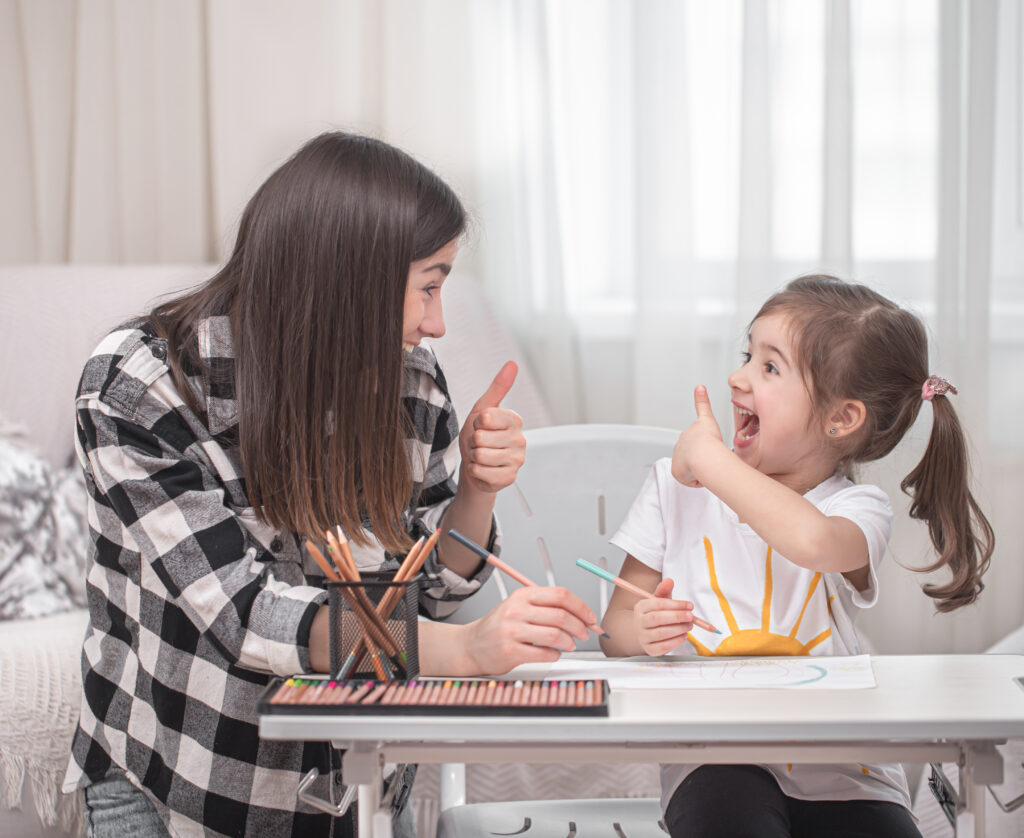
a mother with a child sits at the table and does homework. the child learns at home. home schooling.

Speech Therapy for Children in Bangalore: Helping Every Child Find Their Voice

Communication is at the heart of everything a child does, from expressing their needs and building friendships to learning in a classroom and growing in confidence. When a child struggles to communicate, it can affect not just their speech but their entire experience of the world around them. Speech therapy for children in Bangalore is helping families address these challenges early, giving children the tools they need to express themselves and connect with others. At Aarumi in Bengaluru, we understand how deeply communication affects every area of a child’s development. Our approach to speech and language support is built around each child’s unique needs, strengths, and pace of progress. What Is Speech Therapy? Speech therapy is a specialised form of support that helps children develop and improve their communication skills. It covers far more than just pronunciation. A trained speech and language therapist works with a child on: Who Benefits From Speech Therapy? Speech therapy is beneficial for a wide range of children, including those with: Children do not need a formal diagnosis to benefit from speech therapy. If a parent notices that their child’s communication seems delayed or different from other children the same age, speaking with a specialist is always a good first step. Why Early Support Makes a Difference Like most developmental therapies, speech therapy tends to be most effective when it begins early. The early years are when a child’s brain is forming its most critical language pathways, and structured support during this window can lead to meaningful, lasting progress. Children who receive early speech therapy support in Bangalore often show faster gains in vocabulary, clearer articulation, and greater confidence in social settings. They also tend to cope better when they enter school, where communication demands increase significantly. What to Expect From Speech Therapy Sessions Speech therapy sessions are typically structured but playful, especially for younger children. A good therapist meets the child where they are, using games, stories, songs, and interactive activities to build language skills in a way that feels natural and enjoyable. Sessions usually involve: Parent involvement is a key part of the process. What happens in the therapy room is most effective when it is reinforced through everyday conversations, play, and routines at home. A Growing Need Across Bangalore As awareness around developmental conditions grows, more families across Bangalore are recognising the value of early speech therapy. The city now has a strong network of speech and language therapists, developmental centres, and inclusive schools that work together to support children at every stage. At Aarumi, speech and language support is part of a broader, holistic approach to child development. We work alongside families, therapists, and educators to make sure every child receives consistent, connected support across all areas of their growth. To learn more about what we offer, visit our programmes page. Every Child Has Something to Say Some children find their voice quickly. Others take a little more time and a little more support. Either way, every child deserves the chance to communicate, connect, and be heard. With the right guidance and a caring team behind them, the progress children make through speech therapy can be truly remarkable. If you are concerned about your child’s speech or language development, reach out to our team at Aarumi today. We are here to listen, guide, and support you every step of the way. You can also learn more about our centre and our approach on our About page.

Speech Therapy for Children in Bangalore: Helping Every Child Find Their Voice Read More »
cdc gdokeynofne unsplash

Inclusive Schools in Bangalore: Helping Every Child Learn and Belong

Choosing the right school is one of the biggest decisions a parent makes, and for families of children with special needs, this decision often comes with extra questions. Will my child be supported? Will they be understood? Will they truly belong? This is why more parents are now turning to inclusive schools in Bangalore, places where children of all abilities learn together in a supportive, accepting environment. At Aarumi in Bengaluru, we often work alongside families as they navigate this decision, helping children build the readiness and confidence they need to thrive in an inclusive classroom. What Does “Inclusive Education” Actually Mean? Inclusive education is an approach where children with and without disabilities learn in the same classroom, with appropriate support systems in place. Rather than separating children based on ability, inclusive schools adapt teaching methods, classroom environments, and support structures so that every child can participate meaningfully. This typically includes: Why Inclusive Schools Matter Inclusive education benefits more than just the child with special needs. Research consistently shows that inclusive classrooms help all children develop greater empathy, patience, and social awareness from an early age. For children with special needs specifically, inclusive schools in Bangalore often support: That said, inclusion works best when a child has built certain foundational skills beforehand, which is where early therapy and structured skill-building programmes make a real difference. Preparing a Child for an Inclusive Classroom Not every child is ready to walk straight into an inclusive school without support, and that is completely normal. Many families work with developmental therapists and special educators in the years leading up to school to help build the skills that make classroom participation easier. This preparation often focuses on: At Aarumi, this kind of preparation is central to what we do. We work closely with each child to strengthen these foundational skills, so that when the time comes, they can step into an inclusive classroom with confidence rather than anxiety. Finding the Right Fit in Bangalore Bangalore has seen a steady rise in schools adopting inclusive practices, supported by a growing network of special educators, therapists, and parent communities. Families across areas like Hennur, Kalyan Nagar, HBR Layout, and Banaswadi now have more options than ever when it comes to finding a school that genuinely supports their child. Choosing the right inclusive school usually comes down to a few key questions: How experienced is the special education team? What kind of individual support is available? How willing is the school to adapt to a child’s specific needs? Visiting a few schools, speaking with their special education coordinators, and trusting your own observations as a parent all go a long way. A Step Toward Belonging Inclusive education is not just about academics. It is about helping a child feel seen, supported, and capable among their peers. With the right preparation and the right school, children with special needs can thrive academically and socially, building friendships and confidence that last well beyond the classroom. If you are exploring inclusive schooling options for your child and want guidance on building school readiness skills, our team at Aarumi is here to help.

Inclusive Schools in Bangalore: Helping Every Child Learn and Belong Read More »

Sensory-Friendly Activities for Special Needs Children: Creating Calm, Engaging Experiences

Sensory-Friendly Activities for Special Needs Children: Creating Calm, Engaging Experiences For many children with special needs, the world can sometimes feel overwhelming. Bright lights, loud sounds, certain textures, or crowded spaces can trigger discomfort or distress in ways that are not always obvious to others. This is where sensory-friendly activities for special needs children play such an important role, offering ways for kids to explore, play, and learn in an environment that feels safe and manageable. At Aarumi in Bengaluru, sensory-friendly approaches are woven into much of what we do, because we know that a calm, well-regulated child is far better positioned to learn, connect, and grow. What Makes an Activity “Sensory-Friendly”? Sensory-friendly activities are designed with a child’s sensory processing needs in mind. This means paying close attention to lighting, sound levels, textures, movement, and pacing, so that an activity supports a child rather than overwhelming them. These activities are especially valuable for children with autism, ADHD, sensory processing disorder, and other developmental conditions that affect how the brain interprets sensory information. Common sensory-friendly activities include: Why Sensory-Friendly Activities Matter Every child processes sensory input differently. Some children are under-responsive and seek out more sensory stimulation, while others are over-responsive and become easily overwhelmed by everyday sounds, lights, or textures. Sensory-friendly activities for special needs children are designed to meet a child exactly where they are, rather than expecting them to adapt to an environment that does not suit their needs. When sensory needs are addressed thoughtfully, children often show: Bringing Sensory-Friendly Practices Into Daily Life While structured therapy sessions are valuable, many sensory-friendly strategies can also be built into everyday routines at home. Simple changes, such as dimming harsh lighting, offering noise-cancelling headphones in loud environments, or creating a quiet corner with familiar textures, can make a noticeable difference to a child’s comfort level throughout the day. Consistency also plays a big role. Children with sensory sensitivities often do best with predictable routines, clear transitions between activities, and advance notice before changes occur. A Growing Focus in Bangalore As awareness around sensory processing needs grows, more centres, schools, and even public spaces across Bangalore are beginning to incorporate sensory-friendly design and programming. This shift is helping create a city that is more accommodating for children with special needs, whether at a therapy centre, a classroom, or simply a Saturday afternoon at the park. At Aarumi, our team works with each child individually to understand their unique sensory profile, then builds activities and environments around what genuinely helps them thrive. To learn more about our approach, visit our About page. Helping Every Child Feel at Ease Sensory-friendly activities are not just about avoiding discomfort. They are about creating space for children to engage with the world on their own terms, building confidence and resilience along the way. With the right environment and support, children who once found certain experiences overwhelming can begin to approach them with curiosity instead of fear. If you would like to understand your child’s sensory needs better, reach out to our team for guidance tailored to your child.

Sensory-Friendly Activities for Special Needs Children: Creating Calm, Engaging Experiences Read More »

close up child enjoying didactic game

Early Intervention Therapy in Bangalore: Why the First Few Years Matter Most

When a child is diagnosed with a developmental delay or disability, the road ahead can feel uncertain for any parent. But one truth stands out clearly across research and real-world experience: starting support early changes everything. Early intervention therapy in Bangalore is helping thousands of families give their children the strongest possible start, and the difference it makes often lasts a lifetime. At Aarumi in Bengaluru, we work closely with parents during this critical window, because we have seen firsthand how much progress a child can make when support begins at the right time. What Is Early Intervention Therapy? Early intervention refers to therapeutic and developmental support provided to children, typically between birth and six years of age, who show signs of developmental delay or disability. This includes children with autism spectrum disorder, cerebral palsy, Down syndrome, speech and language delays, and other developmental conditions. The first few years of life are when a child’s brain is most adaptable. During this period, the brain forms new neural connections at a remarkable pace, which means therapy and structured support can have a far greater impact than the same support given later in childhood. Early intervention typically includes: Why Timing Makes Such a Big Difference Many parents wonder if waiting a little longer to “see how things go” is the safer choice. In most cases, it is not. The earlier a delay is identified and addressed, the more effectively a child’s brain can build new pathways around the difficulty. Children who receive early intervention therapy in Bangalore are more likely to: This does not mean older children cannot benefit from therapy. They absolutely can. But the early years offer a window where progress tends to happen faster and more naturally. Spotting the Early Signs Parents are often the first to notice something feels different about their child’s development, even before a formal diagnosis. Some early signs worth discussing with a paediatrician or specialist include: Noticing these signs does not mean something is definitely wrong. It simply means it is worth getting a professional opinion sooner rather than later. Why Bangalore Families Are Prioritising Early Support Bangalore has grown into one of India’s most active cities for early intervention and developmental therapy, with a wide network of specialists, paediatric centres, and inclusive schools. This has made it easier for families across Hennur, Kalyan Nagar, HBR Layout, Banaswadi, and other parts of the city to access timely, professional support without long waitlists or having to travel far. At Aarumi, our approach is built around the child first. Every therapy plan is shaped by the child’s specific needs, strengths, and pace of development, rather than a one-size-fits-all programme. To learn more about how we work with families, visit our About page. We also work closely with parents, because progress at home matters just as much as progress in a therapy room. A Foundation for the Years Ahead Early intervention is not about rushing a child or forcing milestones. It is about giving them the right support at the right time, so they can grow into confident, capable individuals. The skills built during these early years often become the foundation for everything that follows, including school readiness, communication, and eventually the kind of vocational training and independence many families look toward later on. If you have noticed early signs of developmental delay in your child, reaching out sooner rather than later can make a meaningful difference. Speaking with a specialist early is one of the most valuable steps a parent can take. Get in touch with our team to discuss the right support for your child.

Early Intervention Therapy in Bangalore: Why the First Few Years Matter Most Read More »

Vocational Training for Special Needs Children in Bangalore: Opening Doors to a Meaningful and Independent Life

Every child deserves a future filled with purpose, confidence, and independence. For children and young adults with special needs, that future is not a distant dream — it is an achievable reality with the right support and guidance. Today, many families are exploring vocational training for special needs children in Bangalore as a pathway to greater independence, skill development, and meaningful employment opportunities. These programmes help young people build practical life skills, develop confidence, and prepare for a more fulfilling future. At Aarumi in Bengaluru, we have witnessed how personalised vocational training can transform lives by helping young people discover their strengths, develop valuable skills, and become active participants in their communities. What Is Vocational Training for Special Needs Children? Vocational training for children with special needs is a structured programme designed to teach practical, work-related, and life skills. These programmes support individuals with autism, intellectual disabilities, Down syndrome, cerebral palsy, learning disabilities, and other developmental conditions. Unlike traditional academic education, vocational training focuses on hands-on learning and real-world applications. Students learn skills that can be used in daily living, community participation, and future employment opportunities. Common vocational training activities include: By focusing on individual strengths and interests, our vocational programmes help young people build confidence while preparing them for greater independence. Suggested Image: Young adults with special needs participating in vocational activities such as packaging, sorting, or craft work. Why Families Are Choosing Vocational Training in Bangalore As one of India’s fastest-growing cities, Bangalore offers increasing opportunities for inclusive education, skill development, and employment. More organisations are recognising the abilities and contributions of individuals with disabilities, creating a growing demand for vocational readiness programmes. Parents across Hennur, Kalyan Nagar, HBR Layout, Banaswadi, and other parts of Bengaluru are increasingly seeking vocational training centres for special needs children in Bangalore because they understand that practical skills are just as important as academic achievement. Vocational training helps young people develop: These essential skills prepare individuals for greater participation at home, in the community, and eventually in the workplace. To learn more about how Aarumi supports families through this journey, visit our About page. What Is Vocational Training for Special Needs Children? Vocational training for children with special needs is a structured programme designed to teach practical, work-related, and life skills. These programmes support individuals with autism, intellectual disabilities, Down syndrome, cerebral palsy, learning disabilities, and other developmental conditions. Unlike traditional academic education, vocational training focuses on hands-on learning and real-world applications. Students learn skills that can be used in daily living, community participation, and future employment opportunities. Common vocational training activities include: By focusing on individual strengths and interests, vocational programmes help young people build confidence while preparing them for greater independence. If you’re ready to take the next step, get in touch with our team today.

Vocational Training for Special Needs Children in Bangalore: Opening Doors to a Meaningful and Independent Life Read More »