Aarumi

Aarumi

ortopediatri cocuk ortopedi akademisi ueceyq43xhi unsplash

Cerebral Palsy Support and Therapy in Bangalore: Empowering Every Child to Move, Communicate, and Thrive

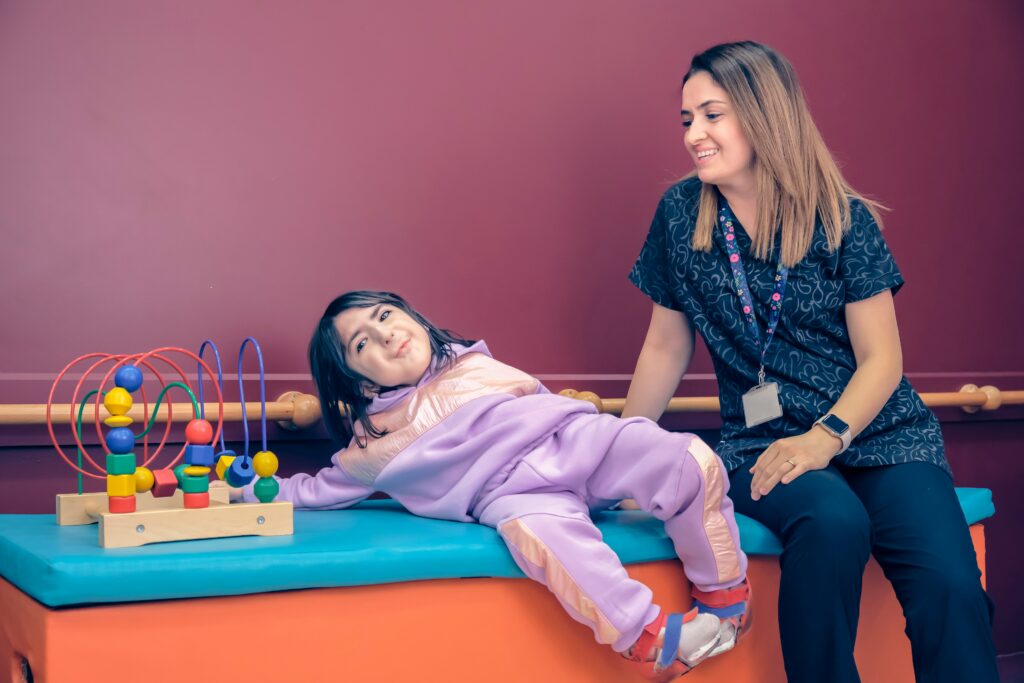
Cerebral Palsy Support and Therapy in Bangalore: Empowering Every Child to Move, Communicate, and Thrive Cerebral palsy is one of the most complex developmental conditions a family can navigate. It affects movement, muscle tone, and coordination in ways that vary enormously from one child to the next, and it often comes alongside additional challenges in communication, cognition, and sensory processing. Yet despite its complexity, cerebral palsy does not define the limits of what a child can achieve. With the right support, the right therapy, and a team that genuinely believes in their potential, children with cerebral palsy can make remarkable progress and live rich, meaningful lives. Cerebral palsy support and therapy in Bangalore has expanded significantly in recent years, giving families access to specialist care, multidisciplinary therapy teams, and structured programmes designed around each child’s unique needs and goals. At Aarumi in Bengaluru, we work with children with cerebral palsy and their families across every stage of development, combining clinical expertise with genuine warmth and a deep commitment to every child’s potential. Understanding Cerebral Palsy Cerebral palsy, often referred to as CP, is a group of neurological conditions that affect movement, muscle tone, and motor skills. It is caused by damage to or abnormal development of the brain, most commonly occurring before, during, or shortly after birth. Cerebral palsy is the most common motor disability in childhood. It affects each child differently depending on which part of the brain is affected and to what degree. Common types of cerebral palsy include: Alongside motor challenges, children with cerebral palsy may also experience: It is important to recognise that many children with cerebral palsy have average or above average intelligence, and that physical limitations do not reflect cognitive potential. Why Early Therapy Is So Important As with most developmental conditions, early intervention produces the best outcomes for children with cerebral palsy. The brain’s neuroplasticity, its ability to form new connections and adapt to challenges, is at its greatest in the early years of life. Structured therapy during this window can help children develop movement patterns, communication skills, and functional abilities that would be much harder to establish later on. Families who begin early intervention therapy in Bangalore soon after a cerebral palsy diagnosis typically find that their child progresses more quickly, develops greater functional independence, and requires less intensive support as they grow older. Physiotherapy for Children With Cerebral Palsy Physiotherapy is typically the cornerstone of cerebral palsy treatment. A skilled paediatric physiotherapist works with the child to improve muscle strength, reduce spasticity, develop better movement patterns, and build the gross motor skills needed for daily life. Physiotherapy for children with cerebral palsy may include: At Aarumi, our physiotherapy approach is always tailored to the individual child, building on what they can do while systematically addressing the areas where they need support. Regular reassessment ensures that therapy goals evolve as the child grows and develops. Occupational Therapy for Daily Independence Alongside physiotherapy, occupational therapy plays a vital role in helping children with cerebral palsy develop the fine motor skills and daily living abilities they need to function more independently. Occupational therapy for cerebral palsy typically focuses on: When a child can manage more of their own daily routines, even partially, it builds an enormous sense of confidence and capability that extends into every area of their life. To learn more about our occupational therapy programme, visit our programmes page. Speech and Communication Support Many children with cerebral palsy experience challenges with speech and communication, ranging from mild articulation difficulties to more significant impairments in verbal expression. Speech and language therapy addresses these challenges directly, building communication skills through a combination of verbal practice, alternative communication methods, and social language support. For children with very limited verbal communication, augmentative and alternative communication, commonly known as AAC, can be transformative. AAC includes tools like picture communication boards, speech-generating devices, and apps that allow a child to express themselves meaningfully even when verbal speech is difficult or not yet possible. At Aarumi, communication support is always approached with creativity and patience, finding the method that works best for each individual child and building on it over time. Supporting Learning and Cognitive Development Children with cerebral palsy who also have cognitive or learning challenges benefit significantly from structured special education support alongside their therapy programmes. Individualised learning plans, adapted teaching materials, and close collaboration between therapists and educators ensure that every child has access to meaningful learning experiences regardless of their physical limitations. At Aarumi, our team works closely with families and schools to make sure the support a child receives in therapy is connected to and reinforced within their educational environment. To learn more about how we collaborate with families and educators, visit our About page. Life Skills and Long-Term Independence As children with cerebral palsy grow older, the focus of support gradually shifts towards greater independence, life skills, and community participation. Many young adults with cerebral palsy go on to pursue further education, meaningful employment, and fulfilling social lives, particularly when they have received consistent, high-quality support throughout their childhood and adolescence. At Aarumi, our life skills and vocational training programmes are designed with this long-term vision in mind, helping young people build the practical skills and the confidence they need to participate fully in adult life. A Whole-Family Approach Cerebral palsy affects the whole family, not just the child. Parents carry enormous physical, emotional, and practical demands, often over many years. Siblings, grandparents, and extended family members all feel the impact in their own ways. At Aarumi, we take a whole-family approach to support, involving parents meaningfully in every aspect of their child’s therapy, offering guidance on navigating medical and educational systems, and connecting families with peer support networks where they can share experiences with others who truly understand the journey. Every Child Deserves to Be Believed In Cerebral palsy can make the road ahead look daunting. But every day, children with cerebral palsy surprise the people around them with their determination,
Cerebral Palsy Support and Therapy in Bangalore: Empowering Every Child to Move, Communicate, and Thrive Read More »

Down Syndrome Support and Therapy in Bangalore: Helping Every Child Reach Their Full Potential

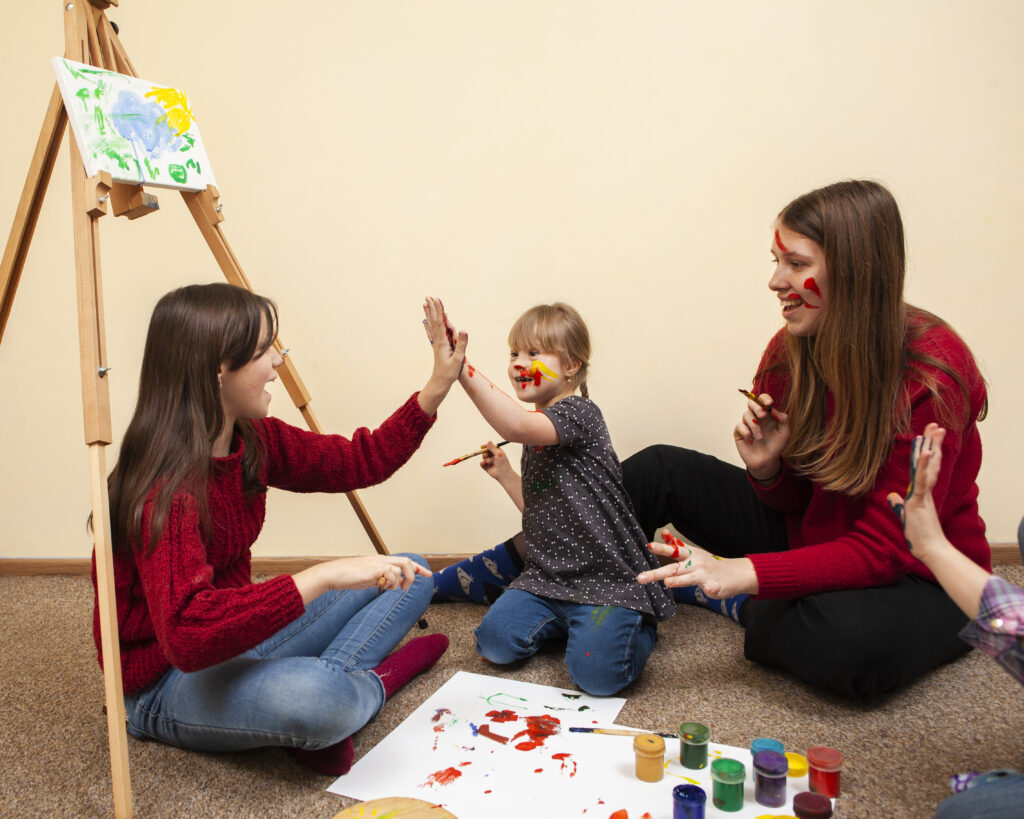
Every child born with Down syndrome brings with them their own unique personality, strengths, and possibilities. While Down syndrome presents certain developmental challenges, it does not define the limits of what a child can achieve. With the right support, the right therapy, and a family and community that believes in them, children with Down syndrome can learn, grow, communicate, and lead meaningful, fulfilling lives. Down syndrome support and therapy in Bangalore has grown significantly in recent years, giving families across the city access to specialist care, structured intervention programmes, and a community of parents and professionals who genuinely understand the journey. At Aarumi in Bengaluru, we work with children with Down syndrome and their families across every stage of development, from early intervention through to life skills training and vocational readiness. Understanding Down Syndrome Down syndrome, also known as Trisomy 21, is a genetic condition caused by the presence of an extra copy of chromosome 21. It is the most common chromosomal condition diagnosed in children and occurs across all ethnicities, socioeconomic backgrounds, and geographies. Down syndrome affects each child differently. Common characteristics include: It is important to remember that these characteristics vary significantly from one child to the next. Many children with Down syndrome develop strong communication skills, build meaningful friendships, attend inclusive schools, and go on to live semi-independent or fully independent adult lives. Why Early Therapy Makes Such a Difference The early years are a critical window for children with Down syndrome. During this period the brain is at its most adaptable, and structured therapy can have a far greater impact than the same support given later in childhood. Families who begin early intervention therapy in Bangalore shortly after a Down syndrome diagnosis typically find that their child reaches developmental milestones sooner, builds stronger communication skills, and develops greater physical independence than children who begin therapy later. Early therapy for children with Down syndrome usually involves a combination of: Speech and Language Therapy for Children With Down Syndrome Communication is one of the areas where children with Down syndrome often need the most consistent support. Many children with Down syndrome understand far more than they are able to express verbally, which can lead to frustration for both the child and the family. Speech and language therapy helps bridge this gap by building vocabulary, improving articulation, introducing alternative communication methods where needed, and supporting the social use of language in everyday interactions. Early speech therapy, combined with strategies like sign-supported communication and visual cues, can make a significant difference to a child’s ability to express themselves and engage with the world around them. To learn more about our speech and language support, visit our programmes page. Physiotherapy and Motor Development Low muscle tone is one of the most common early challenges for babies and young children with Down syndrome. It affects everything from feeding and sitting to walking and fine motor control. Paediatric physiotherapy addresses these challenges directly, building strength, improving coordination, and helping children reach physical milestones at their own pace. At Aarumi, our physiotherapy approach for children with Down syndrome is play-based, gentle, and always tailored to the individual child. We work closely with families to carry strategies over into daily routines at home, making progress more consistent and sustainable. Education and Inclusive Schooling Many children with Down syndrome are able to attend mainstream or inclusive schools with the right support in place. Preparing a child for an inclusive classroom involves building the communication, attention, social, and self-care skills that allow them to participate meaningfully alongside their peers. At Aarumi, school readiness preparation is an important part of our work with children with Down syndrome. We collaborate closely with families and educators to make sure each child transitions into school with the confidence and skills they need to thrive. Life Skills and Vocational Training As children with Down syndrome grow into adolescence and young adulthood, the focus of support naturally shifts towards greater independence, life skills, and vocational readiness. Many young adults with Down syndrome go on to hold meaningful employment, live semi-independently, and make valuable contributions to their communities. This kind of future does not happen by accident. It is built gradually through consistent life skills training, vocational preparation, and a support network that continues to believe in a young person’s potential long after childhood. At Aarumi, our vocational training and life skills programmes are designed with exactly this long-term vision in mind. Supporting the Whole Family A Down syndrome diagnosis affects every member of the family, not just the child. Parents, siblings, and extended family members all go through their own process of adjustment, and all deserve support along the way. At Aarumi, we take a whole-family approach to support. We involve parents meaningfully in every aspect of their child’s therapy, offer guidance on navigating school and medical systems, and connect families with peer support networks where they can share experiences with others who truly understand. To learn more about our values and approach, visit our About page. A Life Full of Possibility Down syndrome is not a limit. It is a different starting point, with its own challenges and its own remarkable strengths. Children with Down syndrome are curious, affectionate, determined, and capable of far more than outdated assumptions might suggest. With early support, consistent therapy, an inclusive community, and a family that never stops believing in them, children with Down syndrome can achieve things that inspire everyone around them. At Aarumi, we have seen it happen, and we are proud to be part of those stories every single day. If you are looking for Down syndrome support and therapy for your child in Bangalore, reach out to our team at Aarumi today. We are here to support your child and your family at every stage of this journey.

Down Syndrome Support and Therapy in Bangalore: Helping Every Child Reach Their Full Potential Read More »

young kids painting with watercolor

Here’s a new one on autism diagnosis and support in Bangalore.

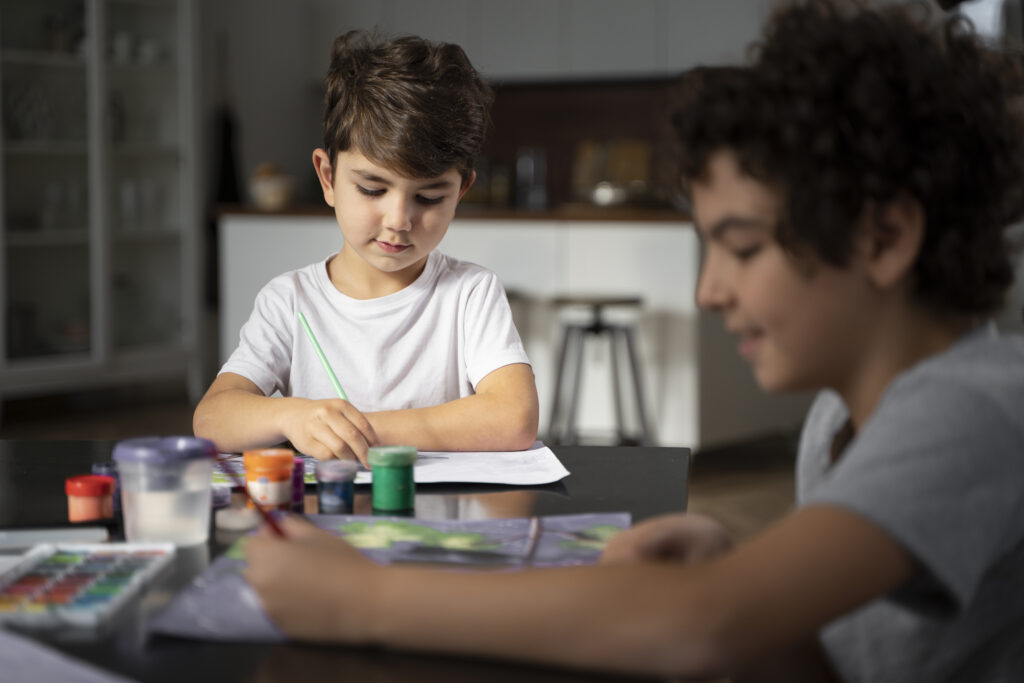
Autism Diagnosis and Support in Bangalore: What to Expect and Where to Begin Receiving an autism diagnosis for your child can feel like the ground shifting beneath your feet. For some parents it brings relief, finally an explanation for what they have been observing. For others it brings grief, fear, or a flood of questions about what this means for their child’s future. Most parents experience all of these things at once, and every single one of those responses is completely valid. What matters most in the weeks and months that follow a diagnosis is not having all the answers immediately. It is knowing where to begin. Autism diagnosis and support in Bangalore has grown significantly in recent years, and families today have access to more resources, specialists, and structured programmes than ever before. At Aarumi in Bengaluru, we work with families from the moment of diagnosis and beyond, providing the support, guidance, and structured intervention that helps children with autism grow, learn, and thrive. Understanding Autism Spectrum Disorder Autism spectrum disorder, commonly referred to as autism or ASD, is a neurodevelopmental condition that affects how a person communicates, interacts with others, processes sensory information, and experiences the world around them. The word “spectrum” is important here. Autism presents differently in every individual. Some children with autism are highly verbal and academically capable but struggle significantly with social interaction and sensory regulation. Others have limited verbal communication but show remarkable abilities in visual thinking, memory, or specific areas of interest. No two children with autism are exactly alike, which is why personalised, individualised support is so essential. Common early signs of autism include: How Autism Is Diagnosed in Bangalore Autism is typically diagnosed by a developmental paediatrician, child psychiatrist, or a multidisciplinary team that may include psychologists, speech therapists, and occupational therapists. The diagnostic process usually involves a combination of structured assessments, developmental history, and direct observation of the child. If you are concerned about your child’s development, the first step is usually speaking with your paediatrician, who can refer you to the appropriate specialist. Early assessment is important because earlier diagnosis typically leads to earlier intervention, which makes a meaningful difference to long-term outcomes. Bangalore has a growing network of developmental paediatricians, assessment centres, and multidisciplinary clinics that offer autism evaluations for children across a wide age range. Waiting times can vary, so it is worth reaching out as soon as concerns arise rather than waiting to see if things improve on their own. What Happens After a Diagnosis The period immediately following a diagnosis can feel overwhelming. Parents are often handed a report and left to figure out the next steps largely on their own. Knowing what to prioritise and where to start is genuinely difficult, especially when you are still processing the emotional weight of what you have just been told. In general, the most important early steps after an autism diagnosis include: At Aarumi, we support families through exactly this process, helping them understand their child’s diagnosis, identify the right next steps, and begin building a structured support plan that is tailored to their child’s individual needs. To explore all the ways we can help, visit our programmes page. The Importance of Early Intervention After Diagnosis Research consistently shows that early, intensive intervention following an autism diagnosis leads to significantly better outcomes across communication, behaviour, social skills, and daily independence. The earlier structured support begins, the more effectively a child’s brain can build new pathways and develop compensatory strategies. This does not mean that older children or young adults cannot make meaningful progress. They absolutely can, and many do. But the early years represent a window of opportunity that is well worth acting on as quickly as possible. Building on Strengths, Not Just Addressing Challenges One of the most important shifts in autism support over recent years has been a growing recognition that autism is not simply a list of deficits to be corrected. Children with autism often have remarkable strengths, whether in visual thinking, memory, attention to detail, pattern recognition, music, technology, or specific areas of deep interest. Effective autism support builds on these strengths while also addressing the areas where a child needs help. At Aarumi, our approach is always strength-based, because we know that children grow best when they are seen and celebrated for who they are, not just supported around what they find difficult. Finding Your Community in Bangalore One of the most valuable things a parent can do after an autism diagnosis is connect with other families who are on a similar journey. Bangalore has a growing and generous community of autism parents, advocacy groups, and peer networks that offer practical advice, emotional support, and a genuine sense of solidarity. You do not have to figure this out alone. Other parents who have walked this road before you have knowledge, experience, and compassion to share, and connecting with them can make an enormous difference to how supported and informed you feel as you navigate the months ahead. To learn more about how we support families at Aarumi and the community we have built around our centre, visit our About page. Your Child’s Future Is Full of Possibility An autism diagnosis is not a ceiling on your child’s potential. It is a starting point for understanding who they are and what they need. With the right support, the right environment, and a team that genuinely believes in them, children with autism can achieve things that will surprise and inspire everyone around them. If your child has recently been diagnosed with autism, or if you are in the process of seeking a diagnosis, reach out to our team at Aarumi today. We are here to guide you, support you, and walk alongside your family every step of the way.

Here’s a new one on autism diagnosis and support in Bangalore. Read More »

girl with down syndrome high fiving while painting

Life Skills Training for Special Needs Children in Bangalore: Building the Foundation for an Independent Future

Life Skills Training for Special Needs Children in Bangalore: Building the Foundation for an Independent Future Independence is not something that happens all at once. It is built gradually, through hundreds of small skills learned and practised over time. For children and young adults with special needs, developing these everyday life skills is one of the most important investments a family can make. Life skills training for special needs children in Bangalore is helping young people across the city take meaningful steps towards greater independence, confidence, and participation in daily life. At Aarumi in Bengaluru, life skills training is central to everything we do, because we believe that every young person, regardless of their diagnosis or disability, has the potential to live a more independent and fulfilling life with the right support. What Is Life Skills Training? Life skills training is a structured programme that teaches the practical, everyday skills a person needs to function independently in their home, community, and eventually the workplace. For children and young adults with special needs, these skills are taught systematically, broken down into manageable steps, and practised repeatedly in real-world contexts. Life skills training typically covers: Why Life Skills Training Matters Academic and therapeutic milestones are important, but life skills are what allow a young person to function day to day with dignity and independence. A young adult who can prepare a simple meal, manage their personal hygiene, navigate to a familiar destination, or handle a basic financial transaction is far better positioned to live a fuller, more autonomous life. For families, life skills training also provides enormous relief. When a young person can manage more of their own daily needs, the pressure on parents and caregivers gradually reduces, and the whole family dynamic shifts in a positive direction. Children and young adults who receive life skills training in Bangalore often show improvements in: How Life Skills Training Is Delivered Effective life skills training is always practical, contextual, and personalised. Skills are not just taught in a classroom setting but practised in real environments wherever possible, because real-world practice is what makes skills stick. At Aarumi, our life skills programme is tailored to each young person’s current abilities, goals, and pace of learning. We work closely with families to understand what independence looks like for their child specifically, and we build our programme around those individual goals. A typical life skills programme might include: The Connection Between Life Skills and Vocational Readiness Life skills and vocational training are deeply connected. The same skills that allow a young person to manage their daily routine at home, follow a schedule, communicate with others, and handle basic tasks are the very skills that form the foundation of workplace readiness. At Aarumi, our life skills programme feeds naturally into our vocational training programmes, creating a continuous pathway of development that takes a young person from basic daily independence all the way through to meaningful employment opportunities. Starting Early, Growing Gradually Life skills training is most effective when it begins early and progresses gradually over time. Simple self-care skills introduced in early childhood lay the groundwork for more complex community and vocational skills in adolescence and young adulthood. That said, it is never too late to begin. Young adults who begin life skills training later still make meaningful progress, particularly when the programme is well-structured, consistently supported, and closely aligned with their personal goals and interests. Involving Families Every Step of the Way Life skills learned in a training programme only become truly embedded when they are reinforced consistently at home. This is why family involvement is a cornerstone of our approach at Aarumi. We work closely with parents and caregivers to share strategies, explain the reasoning behind each skill we are targeting, and help families create home environments that support and extend what is being learned in sessions. To learn more about our holistic approach to child and young adult development, visit our About page. A Future Built on Real Skills Every skill a young person learns, however small it might seem, is a step towards a more independent, dignified, and fulfilling life. Life skills training is not about lowering expectations. It is about raising them, by giving young people the tools they actually need to meet the demands of adult life with confidence. At Aarumi, we have seen young people achieve things their families once thought were out of reach, and we know that with consistent support and genuine belief in every child’s potential, those moments of breakthrough are possible for every family we work with. If you would like to explore life skills training for your child or young adult, reach out to our team at Aarumi today. We would love to be part of your child’s journey towards greater independence and a brighter future.

Life Skills Training for Special Needs Children in Bangalore: Building the Foundation for an Independent Future Read More »

adult mother watching little girl doing schoolwork

Parent Support for Families of Special Needs Children in Bangalore: You Do Not Have to Do This Alone

Raising a child with special needs is one of the most demanding and deeply rewarding experiences a parent can go through. The love is immense. So is the exhaustion. The worry. The uncertainty about what the future holds. And the very real feeling, at times, that no one around you truly understands what your daily life looks like. Parent support for families of special needs children in Bangalore is growing, and more families are beginning to recognise that seeking support for themselves is not a sign of weakness. It is one of the most important things a parent can do, for themselves and for their child. At Aarumi in Bengaluru, we believe that when parents are supported, children thrive. Our work with families goes far beyond the therapy room, because we know that the home environment and the emotional wellbeing of parents are just as important as any structured intervention. The Emotional Reality of Raising a Child With Special Needs Every parent’s journey is different, but many share common emotional experiences. The moment of diagnosis can bring grief, confusion, and fear alongside love and determination. The ongoing demands of managing therapies, school decisions, sibling dynamics, financial pressures, and social isolation can wear even the most resilient parents down over time. Many parents describe feeling: These feelings are completely normal. They do not make someone a bad parent. They make someone a human being carrying an enormous amount of responsibility, often with very little support. What Parent Support Actually Looks Like Parent support takes many different forms, and the right kind of support depends on what each family needs most at any given time. It might include: At Aarumi, parent involvement is built into everything we do. We do not just update parents at the end of a session. We actively include them in goal-setting, strategy development, and progress reviews, because we know that parents who feel informed and empowered make the biggest difference in their child’s life. Why Parent Wellbeing Matters for the Child Research consistently shows that a parent’s emotional wellbeing has a direct impact on their child’s development and behaviour. When parents are stressed, exhausted, or emotionally depleted, it affects the quality of interaction, consistency of routines, and the overall home environment. This is not a criticism of parents. It is simply a recognition that taking care of yourself is part of taking care of your child. When parents receive the support they need, they are better able to: Investing in parent support is investing directly in the child’s progress. To learn more about how we support families at every level, visit our programmes page. Building a Support Network in Bangalore One of the most powerful forms of support for any parent of a special needs child is connection with other parents who are on a similar journey. Bangalore has a growing community of parent groups, support networks, and advocacy organisations that bring families together, reduce isolation, and share practical knowledge. Finding your community, whether through a formal support group, an online network, or simply another parent at your child’s therapy centre, can make an enormous difference to how supported and understood you feel on a day-to-day basis. At Aarumi, we actively encourage parents to connect with each other and with the wider community of families we work with. To learn more about our centre and community, visit our About page. Taking Care of the Whole Family Special needs parenting does not just affect the primary caregiver. It affects partners, siblings, grandparents, and extended family members too. Siblings in particular can sometimes feel overlooked or confused about their brother or sister’s needs. Taking time to acknowledge and support every member of the family is an important part of maintaining a healthy, loving home environment. Simple things like setting aside dedicated one-on-one time with siblings, having age-appropriate conversations about a child’s diagnosis, and allowing everyone in the family to express their feelings openly can make a real difference to family dynamics over time. You Are Doing Better Than You Think If there is one thing we want every parent who walks through our doors to know, it is this: you are doing better than you think. The fact that you are seeking information, exploring options, and fighting for your child’s future already speaks volumes about the kind of parent you are. You do not have to have all the answers. You do not have to do this perfectly. You just have to keep showing up, and let others support you when you need it. If you are looking for guidance, support, or simply someone to talk to about your child’s journey, reach out to our team at Aarumi today. We are here for your child, and we are here for you.

Parent Support for Families of Special Needs Children in Bangalore: You Do Not Have to Do This Alone Read More »

Physiotherapy for Special Needs Children in Bangalore: Moving Towards Greater Strength and Independence

Movement is one of the most fundamental parts of a child’s development. From rolling over and sitting up as a baby to running, climbing, and writing at school, physical milestones shape how a child experiences and engages with the world around them. For children with special needs, achieving these milestones can sometimes require extra support and guidance. Physiotherapy for special needs children in Bangalore is helping families address these challenges in a structured, compassionate way, building the strength, coordination, and physical confidence every child deserves. At Aarumi in Bengaluru, physiotherapy is an important part of our holistic approach to child development, helping children move better, feel stronger, and participate more fully in everyday life. What Is Physiotherapy for Children? Paediatric physiotherapy is a specialised form of therapy that focuses on improving a child’s physical function, movement, strength, and coordination. Unlike adult physiotherapy, which often addresses injuries or pain, paediatric physiotherapy is primarily focused on helping children reach their developmental potential and build the physical skills needed for daily life. A trained paediatric physiotherapist assesses a child’s current physical abilities and designs a personalised programme to address specific areas of difficulty. Physiotherapy for special needs children typically focuses on: Who Benefits From Paediatric Physiotherapy? Physiotherapy is beneficial for children with a wide range of conditions, including: Children do not always need a specific diagnosis to benefit from physiotherapy. If a parent notices that their child seems physically delayed, struggles with coordination, or tires more quickly than peers their age, a physiotherapy assessment can offer valuable guidance and support. Why Early Physiotherapy Makes a Difference Physical development and cognitive development are deeply connected. When a child can move confidently and comfortably, they are better positioned to explore their environment, engage in play, and build the foundational skills that support learning and social interaction. Starting physiotherapy early allows therapists to work with the natural plasticity of a young child’s brain and body, often producing faster and more significant results than the same intervention begun later. Children who receive physiotherapy support in Bangalore from an early age are more likely to: What Physiotherapy Sessions Look Like Paediatric physiotherapy sessions are designed to be engaging and enjoyable, particularly for younger children. Therapists use play-based activities, equipment, and movement challenges to target specific physical goals in a way that feels natural and motivating for the child. A typical session might include: Parents are encouraged to be involved in sessions and to carry over exercises and strategies at home. Consistent practice between sessions is one of the most important factors in a child’s physical progress. Physiotherapy and School Readiness Physical ability plays a more significant role in school readiness than many parents realise. Sitting upright at a desk, moving between classrooms, participating in physical education, holding a pencil, and managing a school bag all have physical demands that children need to be ready for. At Aarumi, our physiotherapy programme is closely coordinated with our other developmental support services, including occupational therapy and speech therapy, to make sure every child is being supported in a joined-up, consistent way. To learn more about our integrated approach, visit our programmes page. Supporting the Whole Family When a child has physical challenges, it affects the whole family. Parents often worry about their child’s safety, independence, and future. Siblings may not always understand why their brother or sister moves or plays differently. Physiotherapy not only supports the child but also gives families practical tools, strategies, and reassurance. At Aarumi, we take the time to involve parents in every step of the physiotherapy process, explaining what we are working on, why it matters, and how families can support progress at home. To learn more about our centre and our values, visit our About page. Every Step Forward Matters Progress in physiotherapy is not always dramatic or immediate. Sometimes it is small and steady, one step at a time. But those steps add up, and over weeks and months, the changes in a child’s strength, movement, and confidence can be truly remarkable. Every child has the potential to move further than anyone might initially expect. With the right support, the right environment, and a team that genuinely believes in them, children with special needs can achieve physical milestones that open up a whole new world of possibility. If you would like to explore physiotherapy for your child, reach out to our team at Aarumi today. We are here to listen, assess, and build a programme that is right for your child and your family.

Physiotherapy for Special Needs Children in Bangalore: Moving Towards Greater Strength and Independence Read More »

dad celebrates fathers day with daughters

Behavioural Therapy for Children with Special Needs in Bangalore: Understanding, Supporting, and Empowering Every Child

Behavioural Therapy for Children with Special Needs in Bangalore: Understanding, Supporting, and Empowering Every Child Every child communicates in their own way. For some children with special needs, behaviours that seem challenging on the surface, such as meltdowns, aggression, refusal, or withdrawal, are often a form of communication. They are telling us something important about how they are feeling, what they need, or what they are finding difficult. Behavioural therapy for children with special needs in Bangalore is helping families understand these signals and respond in ways that genuinely support their child’s growth and wellbeing. At Aarumi in Bengaluru, our approach to behavioural support is always rooted in understanding the child first, because lasting change comes from addressing the reasons behind a behaviour, not just the behaviour itself. What Is Behavioural Therapy? Behavioural therapy is a structured, evidence-based approach that helps children understand and manage their own behaviour, build positive habits and routines, and develop the coping strategies they need to navigate everyday challenges. It draws on well-established principles of learning and behaviour to identify what triggers certain responses in a child, what purpose those responses serve, and how to teach more effective alternatives that work better for the child and the people around them. Behavioural therapy for children with special needs typically focuses on: Who Benefits From Behavioural Therapy? Behavioural therapy is beneficial for children with a wide range of conditions, including: It is also valuable for children who do not have a formal diagnosis but are showing consistent patterns of challenging behaviour that are affecting their learning, relationships, or daily life. Why Behavioural Therapy Makes a Difference When a child’s behaviour is consistently challenging, it can place enormous strain on the whole family. Parents often feel exhausted, confused, and unsure of how to respond in a way that actually helps. Siblings, teachers, and other family members can also feel the impact. Behavioural therapy brings clarity to what can feel like a very confusing situation. By understanding why a behaviour is happening, families and therapists can work together to make changes that are compassionate, consistent, and effective. Children receiving behavioural therapy support in Bangalore often show improvements in: What Behavioural Therapy Sessions Look Like Behavioural therapy sessions are thoughtful, structured, and always tailored to the individual child. A skilled behavioural therapist begins by conducting a thorough assessment of the child’s behaviour patterns, including what happens before a behaviour, what the behaviour looks like, and what follows it. This assessment forms the foundation of a personalised support plan that is shared with the family and implemented consistently across home, school, and therapy settings. Sessions typically include: The Role of Parents in Behavioural Therapy Parents are the most important people in any child’s life, and their involvement in behavioural therapy is essential. A therapist can work with a child for a few hours each week, but parents are present every day, in every environment, across every routine. When parents understand the strategies being used in therapy and apply them consistently at home, the results are almost always significantly better. At Aarumi, we invest real time in parent coaching because we know that when families feel confident and supported, children thrive. Behavioural Support Across School and Home One of the most important aspects of effective behavioural therapy is consistency across environments. A child who is learning to manage transitions in a therapy session needs the same strategies and responses at school and at home for the learning to generalise and stick. Our team at Aarumi works closely with families and educators to make sure the same approach is being used across all the settings a child moves through. To learn more about how we collaborate with families, visit our About page. Building a Foundation of Understanding Behavioural therapy is not about controlling a child or suppressing who they are. It is about helping them build the skills and strategies to express themselves, manage their emotions, and engage with the world in ways that work for them and the people around them. When a child feels understood rather than corrected, real progress becomes possible. If you are concerned about your child’s behaviour and would like to understand how behavioural therapy could help, reach out to our team at Aarumi today. We are here to support your child and your whole family every step of the way. You can also explore our full range of programmes and services to find the right support for your child.

Behavioural Therapy for Children with Special Needs in Bangalore: Understanding, Supporting, and Empowering Every Child Read More »

daughter mother playing wooden tower game together

ABA Therapy for Children with Autism in Bangalore: A Structured Path to Growth and Independence

Every child with autism is unique. Their strengths, challenges, communication styles, and learning needs differ from one child to the next. What works well for one child may not work the same way for another. This is why structured, evidence-based approaches to therapy matter so much, and why ABA therapy for children with autism in Bangalore is increasingly being chosen by families who want a proven, personalised path forward. At Aarumi in Bengaluru, we believe every child with autism deserves a therapy approach that is built around who they are, not a generic template. ABA therapy, when delivered with care and expertise, offers exactly that. What Is ABA Therapy? ABA stands for Applied Behaviour Analysis. It is a structured, evidence-based form of therapy that uses the principles of learning and behaviour to help children develop new skills, reduce challenging behaviours, and build greater independence in daily life. ABA therapy works by breaking complex skills down into smaller, manageable steps, teaching each step systematically, and reinforcing progress through positive feedback. Over time, these small steps add up to significant, lasting change. ABA therapy for children with autism typically focuses on: Why ABA Therapy Is Widely Recommended ABA therapy has one of the strongest evidence bases of any autism intervention. Decades of research have consistently shown that intensive, early ABA therapy can lead to meaningful improvements in communication, behaviour, and daily functioning for children with autism. It is recommended by leading paediatric and developmental organisations globally, and is recognised in India as one of the most effective approaches for supporting children on the autism spectrum. Children who receive ABA therapy support in Bangalore often show improvements in: What ABA Therapy Sessions Look Like ABA therapy sessions are structured but warm. A skilled ABA therapist builds a strong, positive relationship with the child and uses that connection to make learning feel safe and rewarding. Sessions are typically tailored to the child’s current skill level and goals, and may take place in a clinic setting, at home, or in a school environment depending on what works best for the child and family. A typical ABA session might include: Progress is carefully tracked in every session, allowing the therapy team to adjust goals and strategies as the child develops. The Importance of Parent Involvement ABA therapy is most effective when parents are active participants in the process, not just observers. A good ABA programme includes regular parent training so that families understand the techniques being used and can apply them consistently at home. When the strategies from therapy are reinforced across all environments, the child’s progress tends to be faster, more consistent, and more generalised to real life. At Aarumi, parent involvement is something we genuinely value and actively encourage throughout the therapy journey. Starting ABA Therapy Early Like most developmental therapies, ABA tends to be most impactful when it begins early. The early years are a critical window for brain development, and structured support during this period can produce results that would be much harder to achieve later on. That said, ABA therapy is not exclusively for young children. Older children and young adults with autism also benefit significantly from ABA-based approaches, particularly when it comes to building life skills, independence, and vocational readiness. To learn more about the full range of support we offer, explore our programmes page. Finding the Right ABA Therapist in Bangalore As demand for ABA therapy grows across Bangalore, so does the number of providers offering it. When choosing an ABA therapist or centre, families should look for qualified, experienced therapists who take a compassionate, child-led approach and involve parents meaningfully in the process. A quality ABA programme will always begin with a thorough assessment of the child’s current skills and needs before setting goals. It will also track progress regularly and adjust the programme as the child grows and develops. At Aarumi, our team brings both the technical expertise and the human warmth that effective ABA therapy requires. To learn more about our centre and approach, visit our About page. A Path Built Around Your Child ABA therapy is not about changing who a child is. It is about giving them the skills and strategies to navigate the world more confidently and independently. With the right team, the right approach, and consistent support at home, the progress children make through ABA therapy can be truly life-changing. If you would like to explore ABA therapy for your child, reach out to our team at Aarumi today. We are here to answer your questions, understand your child’s needs, and help you find the right path forward.

ABA Therapy for Children with Autism in Bangalore: A Structured Path to Growth and Independence Read More »

side view mother son painting eggs

Occupational Therapy for Special Needs Children in Bangalore: Building Skills for Everyday Life

For many children with special needs, everyday tasks that others take for granted can feel genuinely challenging. Getting dressed, holding a pencil, sitting still in a classroom, or simply playing alongside other children can require tremendous effort and support. Occupational therapy for special needs children in Bangalore is helping families address these challenges in practical, meaningful ways, building the skills children need to participate fully in daily life. At Aarumi in Bengaluru, occupational therapy is a core part of how we support children with a wide range of developmental conditions, helping them grow in independence, confidence, and capability. What Is Occupational Therapy? Occupational therapy, often referred to as OT, is a therapeutic approach that helps children develop the skills needed for daily activities and routines. The word “occupation” here refers not to a job but to the meaningful activities that make up a person’s daily life, including play, learning, self-care, and social interaction. A trained occupational therapist works with a child to assess where difficulties lie and then builds a structured programme to address those specific challenges. Occupational therapy typically covers: Who Benefits From Occupational Therapy? Occupational therapy is beneficial for children with a wide range of conditions, including: Children do not always need a formal diagnosis to benefit from OT. If a child is consistently struggling with tasks that are typical for their age group, an occupational therapy assessment can provide valuable insight and direction. Why Occupational Therapy Matters The skills that occupational therapy builds are not just practical. They are deeply connected to a child’s sense of confidence and independence. When a child can dress themselves, hold their pencil correctly, or join in with a group activity without feeling overwhelmed, it changes how they see themselves and how they engage with the world around them. Children receiving occupational therapy support in Bangalore often show improvements in: What Occupational Therapy Sessions Look Like Occupational therapy sessions are carefully designed to be engaging and purposeful. For younger children especially, activities are often play-based, because play is the most natural context for skill development at an early age. A typical session might include: As with all developmental therapies, parent involvement makes a significant difference. Therapists work closely with families to share strategies that can be carried over into everyday routines at home, making progress more consistent and sustainable. The Role of OT in School Readiness One of the most important contributions of occupational therapy is preparing children for the demands of a school environment. Sitting at a desk, managing a school bag, holding a pencil, participating in group activities, and coping with transitions between subjects all require a combination of motor, sensory, and social skills that OT directly targets. At Aarumi, we work closely with families to build this school readiness foundation, making sure children are as prepared as possible before they step into an inclusive or mainstream classroom. To learn more about our holistic approach, visit our About page. Building Independence One Step at a Time Occupational therapy is not about pushing a child to perform beyond their ability. It is about breaking skills down into manageable steps and building them up gradually, celebrating every small gain along the way. The independence a child develops through OT often stays with them for life, forming the foundation for future learning, employment, and community participation. If you feel your child could benefit from occupational therapy, get in touch with our team at Aarumi today. We are here to support your child and your family at every stage of the journey. You can also explore all our programmes and services to find the right fit for your child.

Occupational Therapy for Special Needs Children in Bangalore: Building Skills for Everyday Life Read More »