
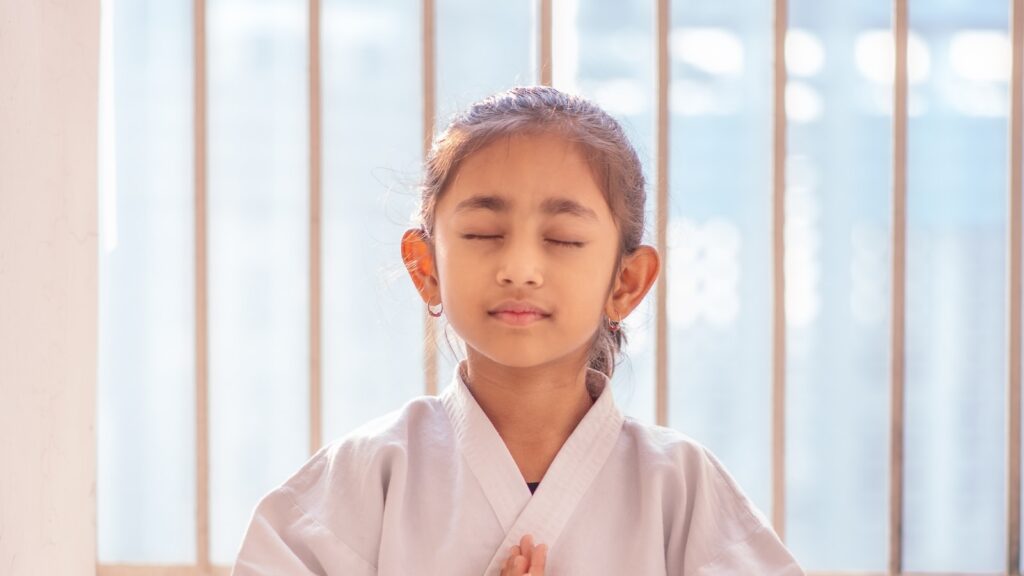
In a world that moves fast, feels loud, and demands constant adaptation, the ability to pause, breathe, and return to the present moment is one of the most valuable skills any person can develop. For children with special needs, who often navigate a world that feels more overwhelming than it does for their peers, mindfulness offers a simple, accessible, and genuinely powerful set of tools for building the calm, focus, and emotional resilience they need to thrive.
Mindfulness for special needs children in Bangalore is helping families and educators introduce these practices in ways that are adapted, engaging, and genuinely effective for children with a wide range of developmental conditions and learning styles.
At Aarumi in Bengaluru, adapted mindfulness practices are incorporated into our therapeutic and educational support programmes, because we know that the ability to self-regulate begins with the ability to notice what is happening inside the body and the mind.
What Is Mindfulness and Why Does It Matter for Children With Special Needs?
Mindfulness is the practice of paying deliberate, non-judgemental attention to the present moment, noticing thoughts, feelings, and bodily sensations as they arise without becoming overwhelmed by them. It is not about emptying the mind or achieving a state of perfect calm. Instead, it is about developing a kinder, more aware relationship with whatever is happening right now.
For children with special needs, mindfulness is valuable because it directly targets the self-awareness and self-regulation skills that are most commonly affected by their developmental conditions. Furthermore, research published by organisations including the Greater Good Science Center at UC Berkeley consistently shows that mindfulness practice produces measurable improvements in attention, emotional regulation, anxiety reduction, and social awareness in children with developmental differences.
Adapted Mindfulness Practices for Children With Special Needs
Standard mindfulness practices often need to be significantly adapted to be accessible and engaging for children with special needs. Long periods of silent sitting are rarely appropriate. Abstract concepts about the mind require concrete, sensory grounding. Furthermore, children with limited verbal communication need non-verbal pathways into mindfulness practice.
Adapted mindfulness approaches that work well for children with special needs include:
- Belly breathing with a visual guide or soft toy placed on the tummy
- Sensory mindfulness using objects with different textures, weights, and smells
- Movement-based mindfulness through slow, deliberate walking or gentle stretching
- Mindful eating activities that bring full attention to food textures and flavours
- Body scan exercises adapted to the child’s communication and attention level
- Visual breathing tools such as pinwheels, bubbles, and breathing cards
- Nature-based mindfulness activities using leaves, stones, and natural sounds
- Music and sound mindfulness using singing bowls, chimes, or natural sounds
These practices can be incorporated into daily routines at home and at school with minimal equipment and preparation. Consequently, mindfulness becomes a practical, everyday tool rather than a formal therapeutic intervention.
To learn more about how mindfulness fits within our broader therapeutic support programmes, visit our programmes page.
If you would like to explore adapted mindfulness practices for your child in Bangalore, reach out to our team at Aarumi today. To learn more about our holistic approach to child wellbeing, visit our About page.