Aarumi

Blogs

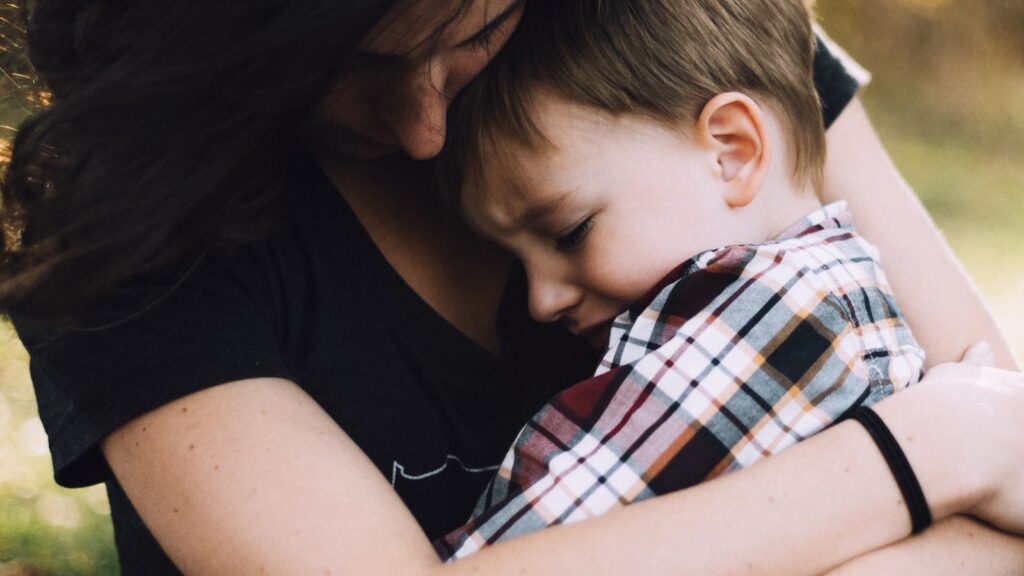
Parent calmly comforting an upset child as part of anger management support for special needs children in Bangalore

Anger Management Support for Special Needs Children in Bangalore: Understanding the Storm and Finding the Calm

Every child feels anger. It is a normal, healthy, and necessary emotion. However, for children with special needs, anger can sometimes arrive with an intensity and unpredictability that feels genuinely frightening for both the child and the people around them. A meltdown that seems to come from nowhere. An explosive reaction to a small frustration. A level of rage that appears completely disproportionate to its trigger. These are not signs of a badly behaved child. They are signs of a child whose nervous system is overwhelmed and who has not yet developed the skills to manage what they are feeling. Anger management support for special needs children in Bangalore is helping families understand what drives explosive emotional responses and build practical, compassionate strategies for managing them more effectively. At Aarumi in Bengaluru, anger management support is delivered as part of our broader emotional regulation and behavioural therapy programmes, always with a deep understanding of the neurological and sensory factors that contribute to intense emotional responses in children with special needs. Understanding Anger in Children With Special Needs Anger in children with special needs is almost always a signal rather than a choice. It communicates that something is wrong, that a need is unmet, that a sensory or emotional threshold has been exceeded, or that a situation feels threatening or unmanageable. Consequently, effective anger management support always begins with understanding the signal rather than simply suppressing the behaviour. This view is echoed by the Child Mind Institute, which frames explosive behaviour in children as a gap in emotional skills rather than deliberate defiance. Common triggers for intense anger in children with special needs include: Building Anger Management Skills Effective anger management support for children with special needs teaches skills at three levels. First, it addresses the physiological arousal that underlies explosive anger. Second, it builds cognitive awareness of triggers and early warning signs. Third, it develops a repertoire of practical coping strategies the child can use when they feel anger building. Skills and strategies commonly taught include: Furthermore, parent coaching is an essential component of anger management support, because the way adults respond to a child’s anger has an enormous impact on whether it escalates or de-escalates. To learn more about our emotional regulation and behavioural support programmes, visit our programmes page. If you would like to explore anger management support for your child in Bangalore, reach out to our team at Aarumi today. To learn more about our approach, visit our About page.


Anger Management Support for Special Needs Children in Bangalore: Understanding the Storm and Finding the Calm Read More »

Young child confidently managing a bathroom routine during toilet training for children with autism in Bangalore

Toilet Training Success for Children With Autism in Bangalore: A Patient, Step-by-Step Approach

Toilet training is a milestone that most parenting books treat as a manageable, if sometimes messy, rite of passage. For families of children with autism, however, toilet training can feel like one of the most prolonged, emotionally exhausting, and genuinely complex challenges of the parenting journey. It requires patience measured not in days but in months. It requires strategies that go far beyond reward charts and timed sits. Furthermore, it requires an understanding of the specific sensory, cognitive, and communicative factors that make toilet training uniquely challenging for children on the autism spectrum. Toilet training support for children with autism in Bangalore is helping families navigate this challenge with expert guidance, personalised strategies, and the reassurance that with the right approach, success is achievable for every child. At Aarumi in Bengaluru, toilet training support is part of our occupational therapy and life skills programmes, delivered with the sensitivity, expertise, and patience that this particular challenge genuinely demands. Why Toilet Training Is Particularly Challenging for Children With Autism Children with autism face a specific combination of challenges that make toilet training significantly more complex than it is for typically developing children. Understanding these challenges is the essential first step towards addressing them effectively. The National Autistic Society publishes detailed toileting guidance for autistic children that reflects the same principle. Key factors that contribute to toilet training difficulties in children with autism include: A Step-by-Step Approach to Toilet Training Success Effective toilet training for children with autism follows a structured, individualised, and unhurried approach that respects the child’s pace and sensory profile throughout. Key elements of a successful autism-specific toilet training programme include: Furthermore, parent coaching is central to our toilet training support at Aarumi, because consistency at home is the single most important factor in toilet training success. To learn more about our life skills and self-care support programmes, visit our programmes page. If you would like to explore toilet training support for your child with autism in Bangalore, reach out to our team at Aarumi today. We are here to support your child and your family with the patience, expertise, and genuine care this journey deserves. To learn more about us, visit our About page.

Toilet Training Success for Children With Autism in Bangalore: A Patient, Step-by-Step Approach Read More »

Child sitting calmly outdoors in nature during a pranic healing session for children with special needs in Bangalore

Pranic Healing for Children With Special Needs in Bangalore: A Complementary Path to Balance, Calm, and Wellbeing

Every parent wants their child to feel calm, balanced, and at peace. For children with special needs, achieving that sense of inner calm can sometimes feel like an elusive goal, particularly when the nervous system is chronically overwhelmed and conventional therapeutic approaches alone are not providing complete relief. Pranic healing offers a gentle, non-invasive complementary approach that many families in Bangalore are exploring alongside their existing therapy programmes, with genuinely encouraging results. At Aarumi in Bengaluru, pranic healing is offered as a complementary and supplementary service alongside our structured therapeutic programmes. Furthermore, it is delivered by practitioners trained in chakra cleansing and energy-based healing approaches that support the child’s overall sense of wellbeing. Please note: The services provided by Aarumi, including pranic healing, are complementary and supplementary in nature and do not replace medical treatment or conventional therapy. What Is Pranic Healing? Pranic healing is an energy-based healing system developed by Grand Master Choa Kok Sui. It works on the principle that the body has an energy field, sometimes called the aura or bioplasmic body, that surrounds and interpenetrates the physical body. According to pranic healing philosophy, illness, stress, and emotional imbalance are reflected in disruptions to this energy field, and by cleansing and energising the affected energy centres, or chakras, the body’s natural ability to heal itself is supported and accelerated. Pranic healing is non-touch and non-invasive. Consequently, it is particularly well-suited to children with sensory sensitivities who may find physical touch during therapy uncomfortable or distressing. Moreover, sessions are gentle, calm, and typically well-tolerated even by children who struggle in more structured therapeutic settings. How Pranic Healing Supports Children With Special Needs Pranic healing works through chakra cleansing, the systematic removal of congested or depleted energy from the body’s energy centres, followed by the replenishment of fresh, vitalising energy. Different chakras govern different aspects of physical, emotional, and mental functioning, and targeted chakra cleansing can support a wide range of the challenges commonly experienced by children with special needs. Families who incorporate pranic healing into their child’s broader support plan often report improvements in: Pranic Healing and Chakra Cleansing The chakra system is central to pranic healing practice. Each chakra governs specific physical, emotional, and mental functions, and when these energy centres become congested or depleted, the corresponding functions are affected. Chakra cleansing restores balance and flow to these centres, supporting the child’s overall wellbeing from the inside out. For children with special needs, the chakras most commonly addressed include those governing emotional regulation, mental clarity, communication, and the body’s overall vitality and stress response. Regular chakra cleansing sessions help maintain energetic balance and support the child’s capacity to cope with the daily demands placed on their nervous system. Furthermore, pranic healing can be used to support specific acute challenges, such as a period of heightened anxiety, a difficult transition, or the aftermath of an emotionally intense experience. Consequently, it offers a flexible, responsive complement to the more structured elements of a child’s support programme. What to Expect From a Pranic Healing Session at Aarumi Pranic healing sessions at Aarumi are calm, gentle, and structured to suit the individual child’s needs and tolerance. Sessions typically take place in a quiet, softly lit space that minimises sensory distraction and supports relaxation. During a session, the practitioner works with the child’s energy field without physical touch, systematically cleansing and energising the relevant chakras. The child may sit, lie down, or engage in quiet play during the session, depending on their age, attention span, and comfort level. Moreover, parents are welcome to remain present throughout, which is particularly reassuring for younger children or those with separation anxiety. Most children find pranic healing sessions calming and enjoyable. Many report feeling relaxed, settled, and more at ease following a session, and these effects often persist for several days. Pranic Healing as Part of a Holistic Support Plan At Aarumi, pranic healing is always offered as a complement to, rather than a replacement for, conventional therapeutic approaches. It sits alongside speech therapy, occupational therapy, behavioural support, and other evidence-based interventions as one element of a holistic, whole-child support plan. Guidance from the National Center for Complementary and Integrative Health likewise encourages families to use complementary approaches alongside conventional care, and to keep their medical team informed about everything their child is receiving. Families interested in incorporating pranic healing into their child’s programme are encouraged to discuss this with our team so that we can ensure all elements of the child’s support are well-coordinated and mutually reinforcing. To learn more about our full range of complementary and therapeutic programmes, visit our programmes page. If you would like to explore pranic healing and chakra cleansing for your child in Bangalore, reach out to our team at Aarumi today.

Pranic Healing for Children With Special Needs in Bangalore: A Complementary Path to Balance, Calm, and Wellbeing Read More »

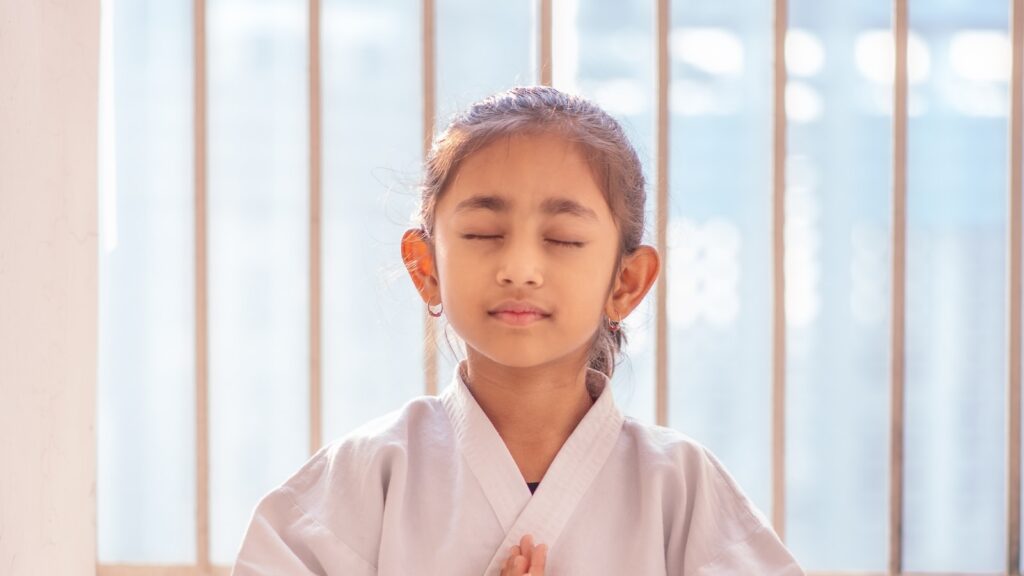
Child sitting cross-legged with eyes closed practising mindfulness for special needs children in Bangalore

Mindfulness for Special Needs Children in Bangalore: Simple Practices That Build Calm, Focus, and Resilience

In a world that moves fast, feels loud, and demands constant adaptation, the ability to pause, breathe, and return to the present moment is one of the most valuable skills any person can develop. For children with special needs, who often navigate a world that feels more overwhelming than it does for their peers, mindfulness offers a simple, accessible, and genuinely powerful set of tools for building the calm, focus, and emotional resilience they need to thrive. Mindfulness for special needs children in Bangalore is helping families and educators introduce these practices in ways that are adapted, engaging, and genuinely effective for children with a wide range of developmental conditions and learning styles. At Aarumi in Bengaluru, adapted mindfulness practices are incorporated into our therapeutic and educational support programmes, because we know that the ability to self-regulate begins with the ability to notice what is happening inside the body and the mind. What Is Mindfulness and Why Does It Matter for Children With Special Needs? Mindfulness is the practice of paying deliberate, non-judgemental attention to the present moment, noticing thoughts, feelings, and bodily sensations as they arise without becoming overwhelmed by them. It is not about emptying the mind or achieving a state of perfect calm. Instead, it is about developing a kinder, more aware relationship with whatever is happening right now. For children with special needs, mindfulness is valuable because it directly targets the self-awareness and self-regulation skills that are most commonly affected by their developmental conditions. Furthermore, research published by organisations including the Greater Good Science Center at UC Berkeley consistently shows that mindfulness practice produces measurable improvements in attention, emotional regulation, anxiety reduction, and social awareness in children with developmental differences. Adapted Mindfulness Practices for Children With Special Needs Standard mindfulness practices often need to be significantly adapted to be accessible and engaging for children with special needs. Long periods of silent sitting are rarely appropriate. Abstract concepts about the mind require concrete, sensory grounding. Furthermore, children with limited verbal communication need non-verbal pathways into mindfulness practice. Adapted mindfulness approaches that work well for children with special needs include: These practices can be incorporated into daily routines at home and at school with minimal equipment and preparation. Consequently, mindfulness becomes a practical, everyday tool rather than a formal therapeutic intervention. To learn more about how mindfulness fits within our broader therapeutic support programmes, visit our programmes page. If you would like to explore adapted mindfulness practices for your child in Bangalore, reach out to our team at Aarumi today. To learn more about our holistic approach to child wellbeing, visit our About page.

Mindfulness for Special Needs Children in Bangalore: Simple Practices That Build Calm, Focus, and Resilience Read More »

Parent and child meeting a specialist during special needs assessment and diagnosis support in Bangalore

Special Needs Assessment and Diagnosis Support in Bangalore: Helping Families Find Clarity, Direction, and Hope

The journey towards understanding a child’s developmental needs often begins with a question. Why does my child not respond to their name? Why are they not talking yet? Why do they find certain situations so overwhelming when other children seem to manage easily? These questions are the beginning of a search for answers, and that search often leads families towards developmental assessment and diagnosis. For many parents, the assessment and diagnosis process is one of the most emotionally charged experiences of their parenting journey. It brings the possibility of clarity alongside the fear of what that clarity might reveal. Furthermore, it marks the beginning of a new chapter in the family’s understanding of their child and their child’s needs. Special needs assessment and diagnosis support in Bangalore is helping families navigate this process with guidance, compassion, and a clear sense of what comes next. At Aarumi in Bengaluru, we support families through and beyond the assessment process, helping them understand what a diagnosis means and how to use it as a springboard for effective, targeted support. Why Assessment Matters A thorough developmental assessment provides something enormously valuable: a clear, accurate understanding of a child’s current profile of strengths and challenges across all relevant developmental domains. This understanding is the foundation on which all effective therapeutic and educational support is built. Parents who are unsure whether to seek an assessment can start with the developmental milestone checklists published by the CDC Learn the Signs. Act Early. programme. Without assessment, support is guesswork. With it, every therapeutic decision, every educational accommodation, and every family strategy can be grounded in a genuine understanding of who the child is, how their brain works, and what they specifically need to flourish. Assessment also opens doors. In India, a formal diagnosis provides access to specific educational accommodations, government schemes, and therapeutic services that may not be available without one. Consequently, pursuing assessment promptly and thoroughly is one of the most practically important steps a family can take for their child. What Does a Developmental Assessment Involve? A comprehensive developmental assessment for a child with suspected special needs typically involves evaluation across multiple domains by a multidisciplinary team. Depending on the child’s age and presenting concerns, assessment may include: Furthermore, a good assessment always includes detailed feedback to the family, explaining the findings in clear, accessible language and providing practical recommendations for next steps. Understanding and Using a Diagnosis Receiving a diagnosis for your child is rarely a simple or straightforward emotional experience. For some families it brings relief, a name for what they have been observing and a pathway to appropriate support. For others it brings grief, fear, or a sense of loss for the future they had imagined. Most families experience a complex mixture of all of these things, and all of these responses are completely valid. At Aarumi, we support families through the emotional as well as the practical dimensions of receiving a diagnosis. We help parents understand what the diagnosis means for their child specifically, what it does and does not predict about their child’s future, and how to use it as a starting point for building the most effective possible support plan. A diagnosis is not a ceiling. It is a map. Furthermore, it is a map that, used well, can guide a family towards exactly the support their child needs to reach their full, remarkable potential. To learn more about how we support families from assessment through to ongoing therapeutic intervention, visit our programmes page. If you would like guidance on developmental assessment and diagnosis support for your child in Bangalore, reach out to our team at Aarumi today. We are here to help your family find the clarity, direction, and hope you need to move forward with confidence. To learn more about Aarumi and our approach, visit our About page.

Special Needs Assessment and Diagnosis Support in Bangalore: Helping Families Find Clarity, Direction, and Hope Read More »

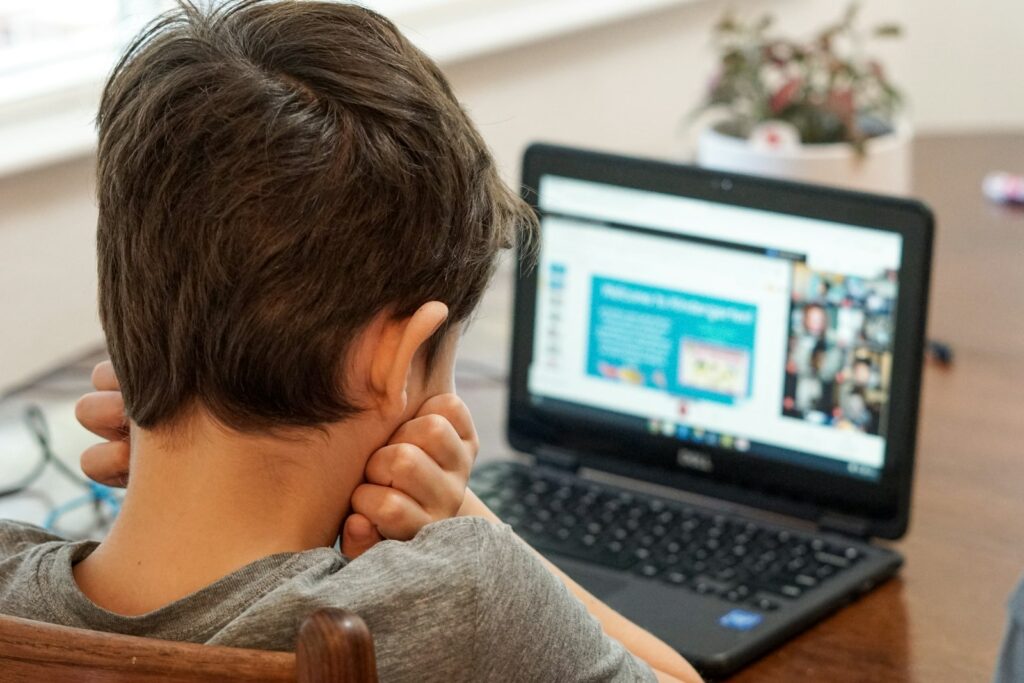
Child attending an online video session at home during teletherapy and online support for special needs children in Bangalore

Teletherapy and Online Support for Special Needs Children in Bangalore: Bringing Expert Care to Your Home

Access to high-quality therapeutic support should not depend on geography, traffic, or the physical and logistical challenges of travelling to a centre several times a week. For many families of children with special needs in Bangalore, these practical barriers are real and significant, and they can stand between a child and the consistent therapeutic support they need. Teletherapy and online support for special needs children in Bangalore is changing this, bringing expert, personalised therapeutic care directly into the home in a format that is increasingly effective, accessible, and embraced by families and therapists alike. At Aarumi in Bengaluru, we offer online therapeutic support as a flexible, high-quality option for families who benefit from the convenience, comfort, and accessibility of receiving support from home. What Is Teletherapy? Teletherapy refers to the delivery of therapeutic services through video conferencing technology. It allows therapists and clients to engage in real-time, face-to-face therapeutic sessions without being in the same physical location. Over recent years, teletherapy has moved from a novel alternative to a mainstream, well-evidenced mode of therapeutic delivery across speech and language therapy, occupational therapy, behavioural support, and psychological services. The American Speech-Language-Hearing Association recognises telepractice as an appropriate model of service delivery, held to the same standards of care as in-person sessions. For children with special needs and their families, teletherapy offers a range of specific advantages that make it a genuinely valuable option rather than simply a convenient compromise. The Benefits of Teletherapy for Special Needs Families Teletherapy offers several significant advantages for families of children with special needs. First, it eliminates the stress and logistical challenge of travelling to a therapy centre, particularly for children who find transitions and new environments difficult. Second, it allows therapy to take place in the child’s own familiar home environment, which can actually enhance generalisation of skills to real-life settings. Furthermore, teletherapy makes consistent therapeutic support accessible to families across all areas of Bangalore, including those in locations where specialist services may not be conveniently available. It also allows parents to be more naturally involved in sessions, observing and participating from the comfort of their own home. Consequently, parent coaching and home strategy development are often more effective in a teletherapy format than in a centre-based setting. What Can Be Delivered Through Teletherapy? A wider range of therapeutic services can be effectively delivered through teletherapy than many families initially expect. At Aarumi, our online support offerings include: Furthermore, many parents find that their involvement and understanding of their child’s therapy goals increases significantly when sessions take place at home, because they are naturally present and engaged throughout. To learn more about our online and centre-based support options, visit our programmes page. If you would like to explore teletherapy and online support options for your child in Bangalore, reach out to our team at Aarumi today. To learn more about Aarumi and how we work with families, visit our About page.

Teletherapy and Online Support for Special Needs Children in Bangalore: Bringing Expert Care to Your Home Read More »

Child lying relaxed on a couch during a gentle hypnotherapy session for anxiety in children in Bangalore

Hypnotherapy for Anxiety and Emotional Wellbeing in Children: A Gentle Complementary Approach at Aarumi

Anxiety in children with special needs can be persistent, pervasive, and deeply resistant to conventional therapeutic approaches alone. When a child is caught in a cycle of fear, worry, and emotional overwhelm, finding a way through that cycle requires creativity, flexibility, and a willingness to explore approaches that work at a deeper level than surface behaviour. Hypnotherapy is one such approach, and at Aarumi in Bengaluru, it is offered as a gentle, evidence-informed complementary tool for supporting children’s emotional wellbeing. Please note: Hypnotherapy services provided at Aarumi are complementary and supplementary in nature and do not replace medical treatment or conventional therapeutic intervention. What Is Hypnotherapy? Hypnotherapy is a therapeutic approach that uses guided relaxation, focused attention, and positive suggestion to access a naturally relaxed state of consciousness in which the mind becomes more open to helpful suggestions, imagery, and perspective shifts. It is not the dramatic, stage-show hypnosis often depicted in entertainment. Instead, it is a calm, collaborative, and deeply respectful therapeutic process. During a hypnotherapy session, the child is always in control. They remain aware of their surroundings, can respond to the therapist, and can end the session at any time. Furthermore, the state of relaxed focus that hypnotherapy produces is similar to the natural state of absorption children experience during engaging play or creative activities. According to the British Society of Clinical Hypnosis, clinical hypnotherapy is a well-established complementary approach with a growing evidence base for supporting anxiety, stress, pain management, and emotional wellbeing across all age groups including children. How Hypnotherapy Supports Children With Special Needs For children with special needs, hypnotherapy offers a gentle pathway to addressing the anxiety, emotional overwhelm, and negative thought patterns that often sit beneath challenging behaviour and emotional dysregulation. Hypnotherapy for children with special needs may support: Furthermore, because hypnotherapy works through imagery, story, and metaphor rather than direct verbal processing, it is often accessible to children who find it difficult to talk about their feelings directly. What a Hypnotherapy Session Looks Like at Aarumi Hypnotherapy sessions at Aarumi are gentle, warm, and always adapted to the individual child’s age, communication level, and therapeutic needs. Sessions begin with a period of rapport-building and relaxation, followed by guided imagery and positive suggestion tailored to the child’s specific goals. Moreover, parents are kept fully informed throughout the process and are encouraged to remain present for younger children. Sessions typically last between thirty and forty-five minutes and are held in a calm, comfortable environment that minimises sensory distraction. Most children find the experience relaxing and enjoyable, and many look forward to their sessions with genuine enthusiasm. To learn more about our complementary therapeutic offerings, visit our programmes page. If you would like to explore hypnotherapy support for your child in Bangalore, reach out to our team at Aarumi today. We are here to support your child’s emotional wellbeing with gentleness, expertise, and genuine care.

Hypnotherapy for Anxiety and Emotional Wellbeing in Children: A Gentle Complementary Approach at Aarumi Read More »