Music has a unique power to reach people in ways that words sometimes cannot. It crosses language barriers, bypasses cognitive defences, and connects directly with emotion, memory, and movement in ways that even the most experienced therapists find remarkable. For children with special needs, music therapy offers something truly special: a pathway to expression, connection, and growth that feels joyful rather than clinical, natural rather than forced, and deeply, genuinely engaging.
Music therapy for special needs children in Bangalore is helping families across the city discover what happens when a child who struggles to communicate verbally finds their voice through a drum, a keyboard, or a simple song. The results are often extraordinary.
At Aarumi in Bengaluru, music therapy is a valued part of our therapeutic approach, because we know that when a child is engaged, motivated, and genuinely enjoying what they are doing, learning and growth happen faster and more naturally than in almost any other context.
What Is Music Therapy?
Music therapy is a structured, evidence-based therapeutic approach that uses music and musical activities to address a child’s physical, emotional, cognitive, communicative, and social needs. Crucially, music therapy is not music lessons. A child does not need any musical ability or prior experience to benefit from it. Furthermore, the goal is never musical performance. Instead, the goal is always the child’s overall wellbeing and development.
According to the World Federation of Music Therapy, music therapy uses music within a therapeutic relationship to support individuals in improving, maintaining, or restoring their health and wellbeing across physical, emotional, mental, social, and cognitive domains.
A trained music therapist designs and delivers sessions using a range of musical activities including:
- Singing and vocal play
- Drumming and percussion
- Listening and movement activities
- Song writing and lyric exploration
- Improvisation with instruments
- Music and social stories
- Rhythm-based communication activities
- Music-assisted relaxation
Why Music Reaches Children With Special Needs So Effectively
Music engages the brain differently from almost any other activity. It activates multiple areas simultaneously, including those responsible for movement, emotion, memory, language, and social connection. Consequently, music therapy can reach children who find other therapeutic approaches less accessible or less engaging.
For children with limited verbal communication, music offers an alternative channel for expression that does not depend on words. For children with sensory processing differences, carefully chosen music can be deeply regulating and calming. For children with social communication difficulties, shared musical activities create natural opportunities for joint attention, turn-taking, and genuine connection.
Moreover, music is inherently motivating for most children. Therefore, engagement in music therapy sessions tends to be high even for children who struggle to sustain attention in other settings.
What Music Therapy Can Support
Music therapy addresses a wide range of developmental, communicative, emotional, and social goals. These include:
- Speech and language development through song, rhythm, and vocal play
- Communication and self-expression for non-verbal or minimally verbal children
- Social skills including turn-taking, joint attention, and shared focus
- Emotional regulation and anxiety reduction through music and rhythm
- Sensory processing and integration through rhythmic and auditory input
- Motor skills including gross and fine motor coordination through movement and instrument play
- Cognitive skills including memory, sequencing, and attention
- Self-esteem and confidence through successful musical participation
- Transition support using music to signal and ease changes in routine
To learn more about how music therapy fits within our broader developmental support programmes, visit our programmes page.
Music Therapy and Communication Development
One of the most powerful applications of music therapy for children with special needs is in the area of communication development. Rhythm, melody, and repetition in music naturally support language processing and production in the brain. As a result, many children who find verbal communication difficult show notable progress in language and communication skills through consistent music therapy involvement.
Songs with repetitive structures and predictable patterns give children a safe framework within which to practise vocalisation, word production, and turn-taking. Furthermore, the emotional engagement that music creates often motivates children to attempt communication they would not otherwise initiate.
For non-verbal or minimally verbal children, music therapy can provide an immediate, meaningful form of self-expression through vocalisation, instrument play, and movement. Consequently, it can significantly reduce the frustration that communication difficulties often produce.
Music Therapy and Emotional Regulation
Rhythm is one of the most powerful tools available for supporting emotional regulation in children with special needs. The predictable, repetitive nature of rhythm provides a sense of safety and structure that the nervous system finds naturally regulating.
Slow, steady drumming can help bring a dysregulated child back to calm. Energetic, rhythmic movement can help a child who needs sensory input find appropriate release. Quiet, melodic music can create a calming transition between activities. Moreover, learning to control the pace and volume of their own musical expression gives children a direct experience of self-regulation that transfers to other areas of their daily life.
At Aarumi, our music therapists use rhythm and music deliberately and skillfully to support each child’s individual regulation needs throughout every session.
What a Music Therapy Session Looks Like
Music therapy sessions are structured but flexible, always following the child’s lead within a clear therapeutic framework. Sessions typically begin with a familiar greeting song that signals the start of the session and helps the child transition in. Subsequently, a range of musical activities addresses specific therapeutic goals. Finally, a closing song marks the end of the session and supports a smooth transition out.
Throughout the session, the therapist responds moment to moment to the child’s engagement, energy, and communication, adapting the music and activities to meet the child exactly where they are.
Sessions typically include:
- A consistent greeting and closing ritual using familiar songs
- Instrument exploration and guided improvisation
- Rhythm and movement activities
- Singing activities targeting specific communication or language goals
- Relaxation and sensory music experiences where appropriate
- Parent observation and involvement where beneficial
Involving Families in Music Therapy
Parents and families play an important role in extending the benefits of music therapy beyond the session itself. Simple musical activities at home, such as singing familiar songs during daily routines, using rhythm to signal transitions, or playing calm music during emotionally challenging moments, can all reinforce the therapeutic work happening in sessions.
At Aarumi, we share practical musical strategies with families so that music becomes a useful therapeutic tool throughout the day, not just during formal sessions. To learn more about how we involve and support families in our work, visit our About page.
Music Therapy Alongside Other Therapeutic Support
Music therapy is most effective when it forms part of a broader, integrated therapeutic support plan. For children with special needs, this means music therapy working alongside speech and language therapy, occupational therapy, behavioural support, and special education.
At Aarumi, our multidisciplinary team shares information and aligns goals across all therapeutic disciplines. Consequently, the progress a child makes in music therapy reinforces and is reinforced by the work happening in every other area of their support. To explore our full range of therapeutic programmes, visit our programmes page.
The Joy of Music
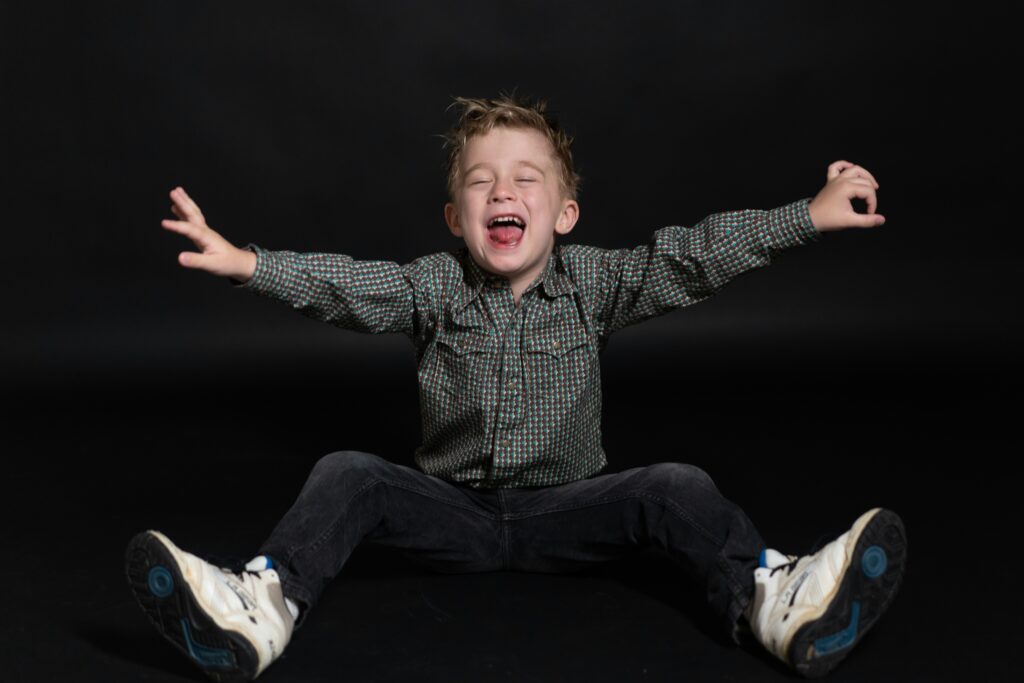
There is something profoundly moving about watching a child with special needs discover that they can make music. That they can bang a drum and create a sound that matters. That they can hum along to a song and be heard. That they can share a musical moment with another person and feel genuinely connected.
Music therapy reminds us that every child has something to express. Every child responds to beauty, rhythm, and joy. Moreover, every child deserves the experience of making something wonderful, even if that something is as simple as a beat, a note, or a smile shared over a shared song.
If you would like to explore music therapy for your child in Bangalore, reach out to our team at Aarumi today. We would love to help your child discover the joy, expression, and connection that music can bring.