
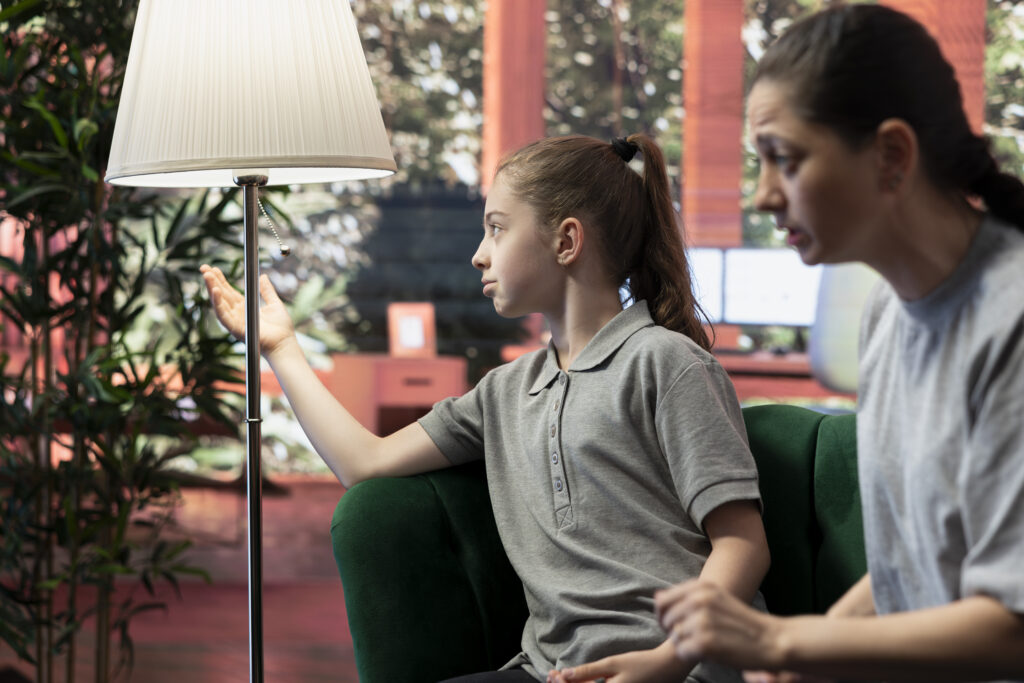
Every child with Fragile X syndrome is a unique individual, with their own personality, their own strengths, their own humour, and their own remarkable capacity for growth and connection. Yet behind that individuality lies a specific genetic condition that presents distinct challenges in learning, communication, sensory processing, and social interaction, challenges that require an informed, specialised, and deeply personalised approach to support and therapy.
Fragile X syndrome support and therapy in Bangalore is a growing area of specialist provision, and families across the city are increasingly finding access to the expert guidance, structured intervention, and compassionate community that can make a transformative difference to their child’s development and quality of life.
At Aarumi in Bengaluru, we work with children with Fragile X syndrome and their families with a deep understanding of the condition’s specific profile, building support programmes that are genuinely tailored to each child’s individual needs, strengths, and pace of development.
What Is Fragile X Syndrome?
Fragile X syndrome is the most common inherited cause of intellectual disability and the most common known single-gene cause of autism. It is caused by a mutation in the FMR1 gene on the X chromosome, which results in the absence or significant reduction of a protein called FMRP that the brain needs for normal development.
Because it is an X-linked condition, Fragile X syndrome affects males more severely than females in most cases. Boys with Fragile X typically have moderate intellectual disability, while girls may have milder cognitive and learning difficulties due to having a second X chromosome that partially compensates for the mutation.
Fragile X syndrome is more common than many families realise. It affects approximately 1 in 4000 males and 1 in 8000 females worldwide, making it a significant and relatively prevalent developmental condition that deserves far greater awareness and specialist provision than it currently receives in many communities.
How Fragile X Syndrome Affects Development
Fragile X syndrome presents a distinctive profile of strengths and challenges that differs in important ways from other conditions causing intellectual disability or autism. Understanding this specific profile is the foundation of effective support.
Common characteristics of Fragile X syndrome include:
- Intellectual disability ranging from mild to moderate in most affected individuals
- Delayed speech and language development with specific patterns of difficulty
- Social anxiety and significant shyness with unfamiliar people
- Sensory processing hypersensitivity, particularly to sound, touch, and visual stimulation
- Attention difficulties and hyperactivity, particularly in younger children
- Repetitive behaviours and restricted interests overlapping with autism features
- Difficulty with eye contact, particularly in socially demanding situations
- Strong visual and long-term memory relative to verbal and short-term memory
- Excellent imitation skills and strong motivation for social connection
- Specific academic strengths in reading recognition relative to comprehension and maths
Furthermore, physical characteristics may include a long face, large prominent ears, flexible joints, and in males after puberty, enlarged testes. However, these physical features are not always prominent and should never be the primary basis for clinical concern.
Why Specialist Knowledge Matters
Fragile X syndrome has a specific neurodevelopmental profile that distinguishes it from other conditions causing intellectual disability or autism, even when there is significant overlap in presenting features. Consequently, therapeutic approaches that are effective for children with Down syndrome, idiopathic autism, or other intellectual disabilities may need to be significantly modified to be optimally effective for children with Fragile X.
For example, children with Fragile X typically show heightened social motivation alongside significant social anxiety, a combination that requires careful, graduated approaches to social skills development that neither overwhelm nor under-challenge the child. Similarly, their sensory hypersensitivity requires thoughtful environmental modification and sensory integration support that goes beyond what is needed for less sensory-reactive children.
At Aarumi, our team develops Fragile X-specific knowledge and applies it consistently in every aspect of the support we provide, because we know that generic approaches produce generic results. To explore our specialist therapeutic and educational support programmes, visit our programmes page.
Speech and Language Therapy for Fragile X Syndrome
Communication is one of the most significant areas of challenge for children with Fragile X syndrome. Speech and language development is typically delayed, and when verbal communication does develop, it often has a distinctive quality that reflects the underlying neurological profile of the condition.
Common speech and language features in Fragile X syndrome include:
- Cluttered or rapid speech that can be difficult to understand
- Perseverative speech with repetition of words, phrases, or topics
- Tangential language that shifts topic frequently and unpredictably
- Echolalia, or repetition of heard words and phrases
- Difficulty with abstract language and figurative speech
- Stronger receptive than expressive language in many cases
- Pragmatic language difficulties affecting conversational flow and social communication
Speech and language therapy for children with Fragile X addresses these specific patterns directly, building communication clarity, conversational skills, and social language in ways that are realistic, functional, and genuinely motivating for the child.
Furthermore, for children with more significant communication challenges, augmentative and alternative communication approaches can provide additional pathways to self-expression that reduce frustration and support social participation. To learn more about our speech and language support, visit our programmes page.
Occupational Therapy and Sensory Integration
Sensory processing hypersensitivity is one of the most defining and most challenging features of Fragile X syndrome. Many children with Fragile X are highly reactive to sensory input, particularly tactile stimulation, auditory input, and visual complexity. This hypersensitivity can make everyday environments feel genuinely overwhelming and can significantly limit a child’s ability to participate in school, community, and family activities.
Occupational therapy and sensory integration support for children with Fragile X typically focuses on:
- Systematic desensitisation to specific sensory triggers through structured exposure
- Building sensory tolerance for the demands of classroom and community environments
- Developing self-regulation strategies for managing sensory overwhelm
- Environmental modification recommendations for home, school, and therapy settings
- Fine motor skill development to support writing, self-care, and daily living tasks
- Proprioceptive and vestibular input activities to support overall sensory regulation
- Attention and focus strategies tailored to the Fragile X profile of attentional difficulties
At Aarumi, sensory integration is approached with particular care and expertise in our work with children with Fragile X, because we understand how profoundly sensory hypersensitivity affects every dimension of their daily experience.
Managing Social Anxiety
Social anxiety is one of the most consistently challenging features of Fragile X syndrome and one that is often underestimated or misunderstood. Children with Fragile X typically have a strong desire for social connection, which makes their social anxiety particularly painful, because they want to connect but find the experience of doing so genuinely overwhelming.
This distinctive combination of social motivation and social anxiety requires a carefully graduated approach to social skills development and community participation. Pushing too hard or too fast increases anxiety and reinforces avoidance. Moving too slowly fails to capitalise on the child’s genuine social motivation and leaves them more isolated than necessary.
Effective strategies for managing social anxiety in Fragile X syndrome include:
- Gradual, structured exposure to social situations beginning with familiar, low-demand contexts
- Social stories and visual preparation for upcoming social situations
- Predictable social routines that reduce the uncertainty driving anxiety
- Familiar, trusted social partners as a bridge to broader social participation
- Strengths-based social opportunities that allow the child to shine in areas of genuine ability
- Parent coaching on responding to social anxiety in ways that support gradual approach rather than avoidance
Behavioural Support and Positive Behaviour Strategies
Challenging behaviour in children with Fragile X syndrome is almost always driven by identifiable factors including sensory overload, anxiety, communication frustration, or the disruption of important routines and expectations. Consequently, effective behavioural support always begins with understanding what the behaviour is communicating rather than simply addressing its surface manifestation.
Positive behaviour support strategies for children with Fragile X typically include:
- Environmental modification to reduce the sensory and cognitive triggers of challenging behaviour
- Consistent, predictable routines and clear transition warnings
- Visual supports and social stories to prepare for potentially challenging situations
- Communication support to reduce the frustration that drives behavioural escalation
- Positive reinforcement systems tailored to the child’s specific motivators
- Anxiety management strategies that address the emotional drivers of challenging behaviour
- Parent coaching and consistent strategy implementation across home and school
At Aarumi, our behavioural support for children with Fragile X is always compassionate, individualised, and grounded in a genuine understanding of what the child is experiencing rather than what the behaviour looks like from the outside.
Supporting the Whole Family
Fragile X syndrome is a genetic condition, which means it often affects more than one member of a family. Parents, siblings, and extended family members may all be navigating their own relationship with the condition, whether as carriers, as mildly affected individuals themselves, or as family members supporting someone more significantly affected.
This genetic dimension of Fragile X adds a layer of complexity to the family experience that deserves specific acknowledgement and support. At Aarumi, we take a whole-family approach to support, recognising that every member of the family is affected by and has a role in supporting the child with Fragile X. To learn more about how we support families as a whole, visit our About page.
A Community of Understanding
One of the most valuable resources for families of children with Fragile X syndrome is connection with other families who are on the same journey. The FRAXA Research Foundation, a leading international organisation dedicated to Fragile X research and family support, provides resources, research updates, and community connections that can be enormously valuable for families navigating this condition.
Finding community, whether through an organisation like FRAXA, a local parent group, or connections made through a specialist centre like Aarumi, reduces isolation, shares practical wisdom, and reminds every family that they are not walking this road alone.
Every Child With Fragile X Has Extraordinary Potential
Children with Fragile X syndrome are curious, warm, often wonderfully funny, and capable of forming genuinely meaningful relationships. They have remarkable long-term memories, strong visual processing abilities, and a social motivation that, with the right support, can blossom into genuine friendship and community belonging.
With informed, specialised support, consistent therapy, and a family and community that truly understands and believes in them, children with Fragile X syndrome can achieve outcomes that exceed what anyone initially imagined. At Aarumi, we have seen it happen, and we know it is possible for every child we are privileged to work with.
If you are looking for Fragile X syndrome support and therapy for your child in Bangalore, reach out to our team at Aarumi today. We are here to support your child and your whole family with the specialist knowledge, genuine warmth, and unwavering belief that every child with Fragile X deserves.
FRAXA Research Foundation the leading international organisation dedicated to funding Fragile X research and supporting families affected by Fragile X syndrome worldwide.