
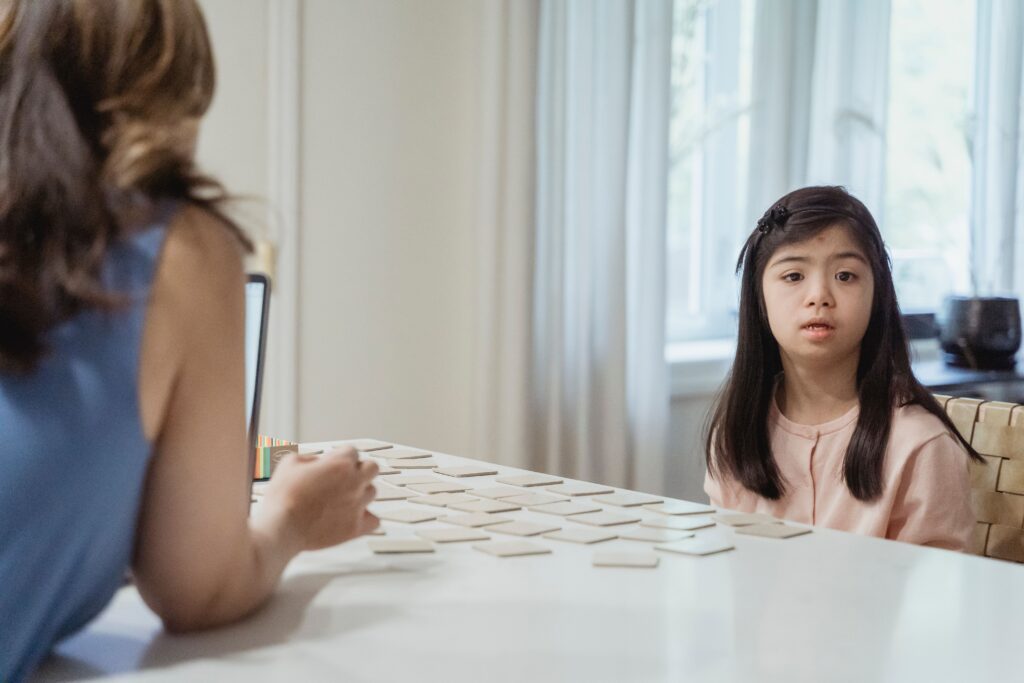
There is a particular kind of invisible struggle that many children with dyspraxia carry through their school years largely unrecognised and unsupported. They are the children who try harder than anyone in the classroom but whose handwriting never seems to improve. The children who are enthusiastic about sport but whose bodies consistently fail to do what their minds intend. The children who are clearly intelligent, clearly motivated, and clearly working hard, but who consistently underperform in the physical and organisational demands of school life in ways that puzzle their teachers and frustrate their parents.
Dyspraxia, also known as developmental coordination disorder or DCD, is one of the most common and most consistently under-identified neurodevelopmental conditions affecting children today. It affects approximately five to six percent of school-age children, making it significantly more common than many conditions that receive far greater educational and therapeutic attention. Furthermore, it frequently co-occurs alongside other neurodevelopmental conditions including dyslexia, ADHD, and autism, creating a complex and overlapping profile that requires careful, individualised assessment and support.
Dyspraxia support and therapy for children in Bangalore is helping families across the city access the specialist assessment, targeted occupational therapy intervention, and educational support that their child needs to navigate the physical and organisational demands of school and daily life with greater confidence and capability.
At Aarumi in Bengaluru, we work with children with dyspraxia and their families with a deep understanding of the condition’s specific profile and a genuine commitment to seeing every child’s strengths alongside their challenges.
What Is Dyspraxia?
Dyspraxia, formally known as developmental coordination disorder, is a neurodevelopmental condition that affects the planning, organisation, and execution of coordinated physical movements. It is caused by differences in the way the brain processes and transmits motor planning information, resulting in movements that are less fluent, less accurate, and less automatic than those of typically developing children.
Dyspraxia is not caused by muscle weakness, vision problems, or low intelligence. The muscles work normally, the eyes work normally, and the child’s intellectual ability is unaffected. The difficulty lies specifically in the motor planning process, the brain’s ability to organise and sequence the precise movements needed to perform physical tasks accurately and efficiently.
Dyspraxia affects gross motor skills, fine motor skills, oral motor skills, and in many cases the planning and organisational skills that are sometimes described as cognitive or executive dyspraxia. Consequently, its impact extends well beyond physical clumsiness into handwriting, speech, self-care, organisation, and the social confidence that physical competence supports.
How Dyspraxia Presents in Children
Dyspraxia presents differently at different ages and stages of development, and its profile varies significantly from one child to the next. Common signs of dyspraxia include the following.
In early childhood:
- Delayed motor milestones including sitting, crawling, and walking
- Difficulty learning to dress and undress independently
- Messy eating and difficulty managing cutlery
- Avoidance of physical play activities
- Difficulty with puzzles, building blocks, and construction toys
- Poor balance and frequent falls
- Difficulty learning to ride a tricycle or bicycle
In primary school age children:
- Poor handwriting that does not improve significantly with practice
- Difficulty with physical education and sports activities
- Avoidance of drawing, colouring, and craft activities
- Difficulty with buttons, zips, and shoelaces
- Appearing clumsy and frequently bumping into things or dropping objects
- Difficulty organising belongings, equipment, and school bags
- Slow processing speed and difficulty keeping up with classroom pace
- Difficulty following multi-step instructions
- Poor spatial awareness affecting navigation and physical activities
- Difficulty learning new physical skills that other children seem to pick up easily
In older children and adolescents:
- Persistent handwriting difficulties and very slow writing speed
- Significant organisational difficulties affecting homework completion and time management
- Avoidance of physical activities and social withdrawal related to physical self-consciousness
- Difficulty with practical subjects including design technology, science practicals, and physical education
- Anxiety and low self-esteem related to years of physical and organisational difficulty
- Difficulty with driving and other complex motor skills in later adolescence
The Impact of Dyspraxia Beyond Motor Skills
One of the most important things to understand about dyspraxia is that its impact extends well beyond physical coordination. The motor planning difficulties that define dyspraxia also affect speech, language, cognition, and social participation in ways that are not always immediately recognised as connected to the primary motor difficulty.
Speech and language development is frequently affected in children with dyspraxia, particularly in the early years. Oral dyspraxia affects the planning and sequencing of the precise mouth movements needed for clear speech, resulting in speech that is inconsistent, difficult to understand, and resistant to improvement through standard articulation approaches. A specialist speech and language therapy approach specifically designed for motor speech difficulties is needed for children with oral dyspraxia.
Social confidence and peer relationships are frequently affected by dyspraxia. Physical activities are central to children’s peer culture, particularly in the primary school years, and a child whose physical difficulties make them the last to be chosen for teams, the most likely to drop the ball, and the most frequently the subject of peer frustration and mockery carries a social burden that compounds the academic challenges of the condition.
Furthermore, the executive function difficulties associated with dyspraxia affect organisation, planning, time management, and task initiation in ways that look remarkably similar to ADHD and that can significantly limit a child’s academic performance independently of their intellectual ability.
Dyspraxia Assessment: Building a Complete Picture
A thorough dyspraxia assessment provides families and educators with a detailed, accurate understanding of a child’s motor coordination profile, the cognitive and sensory factors contributing to their difficulties, and the most effective approaches to intervention and educational support.
A comprehensive dyspraxia assessment typically includes:
- Standardised assessment of gross motor skills including balance, coordination, and ball skills
- Standardised assessment of fine motor skills including manual dexterity and drawing
- Handwriting assessment
- Sensory processing assessment to identify contributing sensory factors
- Executive function and cognitive processing assessment
- Speech and oral motor assessment where oral dyspraxia is suspected
- Educational history and parent and teacher observation
- Assessment of the emotional and social impact of motor difficulties
According to the Dyspraxia Foundation, the leading UK organisation for dyspraxia research, family support, and advocacy, a thorough, multidisciplinary assessment is the essential foundation for effective intervention planning in developmental coordination disorder.
At Aarumi, our assessment approach is always thorough, individualised, and focused on building a complete picture of each child’s motor and developmental profile. To learn more about our assessment and therapeutic intervention programmes, visit our programmes page.
Occupational Therapy: The Primary Therapeutic Intervention
Occupational therapy is the primary evidence-based therapeutic intervention for dyspraxia and developmental coordination disorder. A skilled paediatric occupational therapist assesses the child’s current motor abilities, identifies the specific areas of motor planning difficulty, and designs a personalised intervention programme targeting the skills most likely to make the greatest difference to the child’s daily functioning and quality of life.
Effective occupational therapy for dyspraxia is task-oriented and ecologically valid, meaning that it focuses on improving performance in the specific activities that matter most to the child’s daily life rather than on isolated motor exercises disconnected from functional tasks.
Key occupational therapy approaches for dyspraxia include:
- Task-oriented approaches that practise specific functional skills in meaningful contexts
- Motor learning strategies that break complex movements into manageable steps
- Cognitive orientation to daily occupational performance, known as CO-OP, a highly evidence-based approach specifically developed for developmental coordination disorder
- Sensory integration intervention to address contributing sensory processing factors
- Environmental modification to reduce the physical demands of daily tasks
- Handwriting intervention using specialist programmes and adaptive equipment
- Self-care skill development including dressing, feeding, and personal hygiene
- Physical activity promotion to build motor confidence and physical fitness
At Aarumi, our occupational therapy for children with dyspraxia is always evidence-based, individualised, and focused on the functional outcomes that matter most to each child and family.
The CO-OP Approach: Teaching Children to Solve Their Own Motor Problems
One of the most exciting and most effective therapeutic approaches for developmental coordination disorder is the Cognitive Orientation to daily Occupational Performance approach, known as CO-OP. CO-OP is a child-centred, performance-based intervention that teaches children to use cognitive strategies to discover their own solutions to motor performance problems.
Rather than practising specific motor tasks repetitively, CO-OP teaches children a general problem-solving strategy that they can apply to any motor challenge they encounter. The child chooses the goals they want to work on, the therapist guides them through a structured process of goal analysis, strategy development, and practice, and the child gradually develops an expanding toolkit of personally discovered strategies that transfer to new motor challenges independently.
CO-OP has a strong and growing evidence base demonstrating significant improvements in both the specific skills targeted during intervention and in the child’s general motor learning ability and self-efficacy. Furthermore, its child-centred approach makes it inherently engaging and motivating, because children are working towards goals that genuinely matter to them.
Handwriting Support for Children With Dyspraxia
Handwriting is one of the areas where dyspraxia has its most immediate and most visible academic impact. The motor planning demands of handwriting, the precise, sequenced finger and wrist movements required to form letters accurately and fluently, are exactly the kinds of complex coordinated movements that dyspraxia disrupts.
Children with dyspraxia often have handwriting that is slow, effortful, inconsistent in letter formation, and painful to sustain over the duration of a school lesson. Consequently, written output consistently underrepresents their actual knowledge and understanding, and the effort directed towards the physical act of writing leaves less cognitive capacity available for the content of what they are writing.
Specialist handwriting support for children with dyspraxia involves:
- Thorough assessment of grip, posture, letter formation, and writing fluency
- Specialist handwriting programmes using multisensory and motor learning approaches
- Pencil grip modification using appropriate adaptive equipment
- Ergonomic assessment of desk height, chair height, and writing surface angle
- Introduction of keyboard typing as a complementary or alternative means of written expression
- Advocacy for appropriate examination accommodations including extended time and keyboard access
Supporting Children With Dyspraxia at School
School presents a continuously demanding environment for children with dyspraxia, from the physical demands of handwriting and physical education to the organisational demands of managing equipment, following timetables, and keeping track of homework and deadlines. Effective school-based support is essential for children with dyspraxia to access their education equitably and to achieve outcomes that reflect their genuine intellectual potential.
Effective school support for children with dyspraxia typically includes:
- Staff education about dyspraxia, its features, and appropriate classroom responses
- Handwriting accommodations including extended time and keyboard access
- Physical education modifications that maintain participation while reducing the anxiety of competitive physical activities
- Organisational support including visual timetables, homework diaries, and structured storage systems
- Seating arrangements that provide optimal postural support
- Reduced copying from the board and provision of written notes
- Extended time for all written assessments
- Regular communication between school, home, and the occupational therapy team
At Aarumi, we work closely with families to bridge the gap between therapy and school, sharing information, strategies, and guidance that help educators support each child with dyspraxia effectively and compassionately. To learn more about how we work with families and schools, visit our About page.
Managing the Emotional Impact of Dyspraxia
The emotional impact of dyspraxia on children’s self-esteem, social confidence, and motivation is profound and should never be underestimated or dismissed. Years of physical difficulty, organisational struggle, social exclusion from peer physical activities, and the feeling of being the clumsiest, slowest, or most disorganised child in the class leave marks that persist long after motor skills improve.
Many children with dyspraxia develop significant anxiety, particularly around physical activities and performance situations where their difficulties are most visible. Social withdrawal is common as children begin to avoid the physical and social situations where their difficulties are most likely to be exposed. Furthermore, the consistent gap between effort and outcome that dyspraxia creates, working extremely hard and still performing less well than peers who seem to make no effort at all, erodes motivation and creates a generalised sense of futility that can affect every area of school life.
Addressing the emotional impact of dyspraxia requires:
- Clear, accurate psychoeducation helping the child understand their condition as a neurological difference rather than a personal failing
- Building a positive narrative around dyspraxia that acknowledges challenges without defining the child by them
- Celebrating non-motor strengths and achievements consistently and genuinely
- Addressing anxiety and avoidance through graduated exposure and confidence-building
- Social skills support addressing the peer relationship difficulties related to physical self-consciousness
- Creating genuine experiences of physical success through appropriately calibrated physical activities
- Connecting children with peers and role models who share their experience
The Strengths Frequently Associated With Dyspraxia
It would be incomplete to discuss dyspraxia only in terms of its challenges. Many individuals with dyspraxia demonstrate remarkable strengths that are in part a consequence of the different neurological processing underlying their condition and in part a product of the resilience, creativity, and determination that years of navigating difficulty have built.
Common strengths associated with dyspraxia include:
- Strong verbal reasoning and oral communication skills
- Creative and lateral thinking
- Empathy and emotional intelligence developed through the experience of difficulty
- Exceptional determination and persistence
- Strong long-term memory for information that is personally meaningful
- Creativity in art, music, drama, and other expressive fields
- Leadership qualities and a genuine understanding of the experience of struggling
Building on these strengths is not just therapeutically important. It is the foundation on which a positive identity, a fulfilling life, and a genuine contribution to the world are built.
Every Child With Dyspraxia Deserves Expert Support
Dyspraxia is not laziness. It is not carelessness. It is not a phase that children will grow out of with sufficient effort and encouragement. It is a genuine neurological difference that affects how the brain plans and executes movement, and it requires specialist, evidence-based support from professionals who genuinely understand its specific profile and its wide-ranging impact.
With the right occupational therapy, the right school support, the right emotional scaffolding, and a family and therapeutic team that believes in them, children with dyspraxia can develop the motor skills, organisational strategies, and personal confidence they need to access their education fully, build satisfying relationships, and achieve outcomes that reflect their genuine, remarkable intellectual and personal potential.
At Aarumi, we have seen children who were struggling profoundly with the physical and organisational demands of school life develop new skills, new strategies, and a new sense of their own capability that transformed their daily experience. Those transformations remind us every day why specialist, compassionate, evidence-based support matters so profoundly for every child we have the privilege of working with.
If you are looking for dyspraxia support and therapy for your child in Bangalore, reach out to our team at Aarumi today. We are here to help your child move with greater confidence, organise with greater ease, and build the self-belief that every child with dyspraxia genuinely deserves.