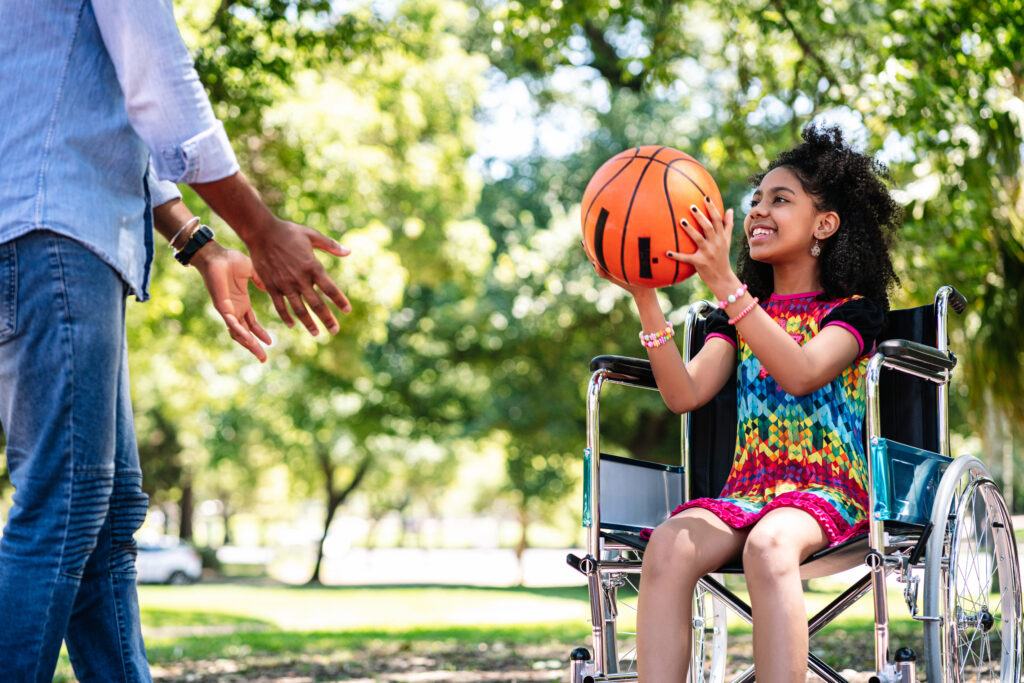
Belonging is not just a feeling. It is a fundamental human right. Every child, every young adult, and every person with special needs deserves to participate fully and meaningfully in the community they live in, to use public spaces, join community activities, build friendships, access services, and contribute to the social fabric of their neighbourhood and city without barriers, discrimination, or exclusion.
Community inclusion and participation for special needs children and young adults in Bangalore is an area of growing focus and growing possibility. As awareness increases, as attitudes shift, and as more organisations commit to genuine inclusion rather than token gestures, Bangalore is gradually becoming a city where children and young adults with special needs have more opportunities to participate, connect, and belong than ever before.
At Aarumi in Bengaluru, community inclusion is not just an aspiration. Furthermore, it is a practical goal that we work towards every day through the skills we build, the confidence we nurture, and the connections we help families make within their broader communities.
What Does Community Inclusion Actually Mean?
Community inclusion means more than simply being physically present in a community space. True inclusion means participating actively and meaningfully, being welcomed and valued, having genuine relationships with community members, and having the same opportunities to contribute, learn, and grow as any other person.
For children and young adults with special needs, community inclusion covers a broad range of experiences including:
- Accessing public spaces such as parks, shops, restaurants, and community centres
- Participating in community activities, clubs, sports, and interest groups
- Building friendships and social connections beyond the family and therapy setting
- Using public transport and navigating the community independently or with support
- Accessing healthcare, education, and other public services with appropriate support
- Contributing to the community through volunteering, employment, and civic participation
- Being represented and valued in the cultural and social life of the community
Why Community Inclusion Matters
The benefits of genuine community inclusion extend far beyond the individual child or young adult. Inclusive communities are stronger, more compassionate, and more innovative than those that exclude or segregate people with disabilities. Furthermore, children who grow up in inclusive communities develop greater empathy, broader social understanding, and a richer sense of human diversity that serves them throughout their lives.
For children and young adults with special needs specifically, community participation supports:
- Social skill development through real-world peer interaction
- Building confidence and self-esteem through valued community roles
- Development of independence and community navigation skills
- Expansion of social networks beyond family and therapy settings
- A growing sense of identity, purpose, and belonging
- Preparation for the social demands of adult life and employment
According to Inclusion International, a global federation of organisations supporting people with intellectual disabilities, genuine community inclusion is one of the strongest predictors of quality of life, wellbeing, and long-term independence for people with disabilities across all cultures and contexts.
Barriers to Community Inclusion in Bangalore
Despite growing awareness and genuine progress, significant barriers to community inclusion remain for children and young adults with special needs in Bangalore. Understanding these barriers is an important first step towards addressing them effectively.
Common barriers include:
- Physical accessibility challenges in public spaces, transport, and buildings
- Social stigma and negative attitudes towards disability in some community contexts
- Lack of awareness among community members about how to include and interact with people with special needs
- Limited availability of inclusive leisure, sports, and cultural activities
- Inadequate support for independent community navigation and public transport use
- Financial barriers to accessing community activities and programmes
- Gaps in inclusive employment opportunities for young adults with special needs
- Limited representation of people with disabilities in mainstream community life
Addressing these barriers requires action at multiple levels, from individual families and therapy teams to schools, community organisations, employers, and government bodies. Consequently, community inclusion is both a personal journey and a collective responsibility.
Building Community Navigation Skills
One of the most practical contributions that therapy and structured support can make to community inclusion is building the specific skills that allow children and young adults to navigate community environments more confidently and independently.
Community navigation skills include:
- Using public transport safely and independently
- Managing money and making purchases in shops and markets
- Reading and understanding public signage and information
- Asking for help from appropriate people in public settings
- Managing sensory challenges in busy community environments
- Understanding and following community rules and social expectations
- Recognising and responding to safety concerns in public spaces
- Building the communication skills needed for community interactions
At Aarumi, community skills development is an important part of our life skills and vocational training programmes, because we know that real independence is not just about what a young person can do at home. It is about what they can do in the world. To learn more about our community skills and life skills programmes, visit our programmes page.
Sensory-Friendly Community Spaces
One of the most significant barriers to community participation for many children with special needs is the sensory overload that busy community environments can produce. Crowded shopping centres, noisy restaurants, bright public spaces, and unpredictable social situations can all be genuinely overwhelming for children with sensory processing differences, autism, or anxiety.
The growing movement towards sensory-friendly community spaces is helping to address this barrier in meaningful ways. Sensory-friendly initiatives include:
- Quiet hours in shopping centres with reduced lighting and music
- Sensory-friendly cinema screenings with lower volume and relaxed environment expectations
- Inclusive play spaces designed with sensory regulation in mind
- Sensory-friendly community events that accommodate different needs and sensitivities
- Training for community businesses and organisations on supporting customers with special needs
Bangalore is gradually seeing more of these initiatives emerge, and families are finding increasing opportunities to access community spaces in ways that work for their child. Furthermore, advocacy by special needs families and organisations is accelerating this positive change.
Inclusive Sports and Leisure
Sport and leisure are powerful pathways to community inclusion, friendship, and physical wellbeing. Inclusive sports programmes, adapted physical education, and leisure activities designed for people with special needs provide valuable opportunities for children and young adults to participate, compete, develop skills, and build genuine community connections.
At Aarumi, we actively support families to identify and access inclusive sports and leisure opportunities in their community, because we know that participation in enjoyable community activities is one of the most effective pathways to genuine social inclusion and lasting friendship.
The Role of Advocacy in Community Inclusion
Genuine community inclusion does not happen automatically. It requires active advocacy by families, organisations, and individuals with special needs themselves. Advocating for inclusion means speaking up when accessibility is inadequate, challenging stigma and negative attitudes when they are encountered, and working with community organisations, businesses, and government bodies to create more genuinely inclusive environments and opportunities.
At Aarumi, we support families to develop their advocacy skills and confidence, because we know that parents and young people who can articulate their needs and rights clearly and confidently are the most powerful drivers of positive change in their communities. To learn more about how we support families in this broader advocacy role, visit our About page.
Every Person Has Something to Contribute
One of the most important shifts in thinking about disability and community inclusion over recent decades is the move away from seeing people with special needs as recipients of community support towards seeing them as active contributors to community life.
Young adults with special needs bring extraordinary qualities to their communities. They bring perspectives shaped by experiences that most people never have. They bring empathy developed through navigating a world not always designed for them. They bring determination, creativity, and joy that enrich every community they are part of.
When communities make genuine space for people with special needs, they do not just fulfil a moral obligation. They become richer, more diverse, more compassionate, and more fully human places for everyone who lives in them.
Building the Bangalore Every Child Deserves
The Bangalore that every child with special needs deserves is one where they can walk into any space, join any activity, and access any opportunity without barriers, without stigma, and without having to fight for the right to simply belong. That Bangalore is not yet fully here. However, it is being built, one inclusive school, one sensory-friendly event, one welcoming employer, and one changed attitude at a time.
At Aarumi, we are proud to be part of that building process, and we invite every family, every community organisation, and every individual who believes in genuine inclusion to join us in creating the city every child with special needs deserves.
If you would like to explore community inclusion support and community skills development for your child or young adult in Bangalore, reach out to our team at Aarumi today. We are here to help your child find their place in the community and to support your family in building the connections, skills, and confidence that make genuine belonging possible.