
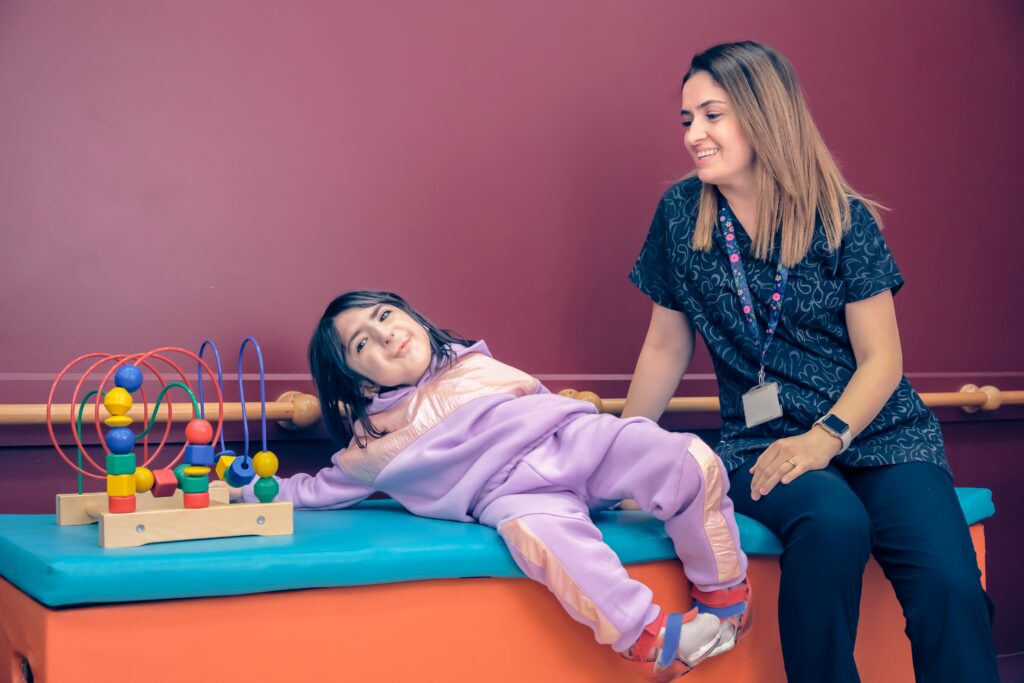
For most families, toilet training is a significant milestone that comes with its fair share of patience, setbacks, and eventual celebration. For families of children with special needs, this milestone can feel far more complex, more prolonged, and at times genuinely overwhelming. The same is true for many other self-care skills, from washing hands and brushing teeth to dressing independently and managing personal hygiene. These skills are not always easy to teach, and they are not always easy to learn. But they matter enormously, because they are the foundation of personal dignity, daily independence, and a child’s growing sense of capability and self-worth.
Toilet training and self-care skills support for special needs children in Bangalore is helping families across the city navigate these challenges with the right guidance, the right strategies, and the right support at every step.
At Aarumi in Bengaluru, self-care skill development is a central part of our occupational therapy and life skills programmes, because we know that the ability to care for oneself independently is one of the most meaningful contributions therapy can make to a child’s long-term quality of life.
Why Self-Care Skills Can Be Challenging for Children With Special Needs
Self-care skills that typically developing children acquire relatively naturally can present significant challenges for children with special needs for a range of reasons. Understanding why these challenges exist is the first step towards addressing them effectively.
Common reasons why self-care skills are more difficult for children with special needs include:
- Sensory sensitivities that make certain self-care tasks physically uncomfortable or overwhelming
- Difficulty understanding multi-step sequences of instructions
- Limited body awareness and proprioceptive feedback
- Communication challenges that make it hard to express discomfort or ask for help
- Cognitive differences that affect learning and generalisation of new skills
- Motor difficulties that make the physical aspects of self-care tasks harder to execute
- Anxiety around new routines or changes to established patterns
- Difficulty with transitions between activities
Understanding the specific reasons behind a child’s self-care difficulties allows therapists and families to design support strategies that address the root causes rather than just the surface behaviours.
Toilet Training for Children With Special Needs
Toilet training is often one of the most emotionally charged aspects of self-care skill development for families of children with special needs. Many children with autism, intellectual disabilities, sensory processing disorder, and other developmental conditions are significantly delayed in achieving toilet independence, and the process of getting there requires a level of patience, consistency, and strategic thinking that goes well beyond the standard approaches used with typically developing children.
Effective toilet training for children with special needs typically involves:
- A thorough assessment of the child’s readiness, including physical, cognitive, and sensory factors
- A structured, consistent toilet training programme tailored to the individual child
- Visual supports such as picture schedules showing each step of the toileting routine
- Sensory preparation to address any sensory sensitivities around the bathroom environment
- A clear reinforcement system that motivates the child to engage with the process
- Consistent communication between home, school, and therapy settings
- Gradual, patient progression through the steps of independent toileting
- Strategies for managing regression and setbacks without losing progress
At Aarumi, toilet training support is delivered with sensitivity, practicality, and a deep understanding of the unique challenges involved. We work closely with families to develop individualised toilet training plans that are realistic, consistent, and built around each child’s specific needs and profile. To learn more about our self-care and life skills support, visit our programmes page.
Dressing and Clothing Management
Dressing independently is another self-care skill that can present significant challenges for children with special needs. Sensory sensitivities around clothing textures, tags, and fastenings, combined with the motor demands of buttons, zips, and laces and the cognitive demand of sequencing a multi-step routine, can make getting dressed a source of daily stress for both child and family.
Occupational therapy support for dressing skills typically focuses on:
- Addressing sensory sensitivities around clothing and touch
- Building the fine motor skills needed for fastenings and closures
- Teaching the sequencing of dressing steps using visual supports
- Practising on dressing frames before transferring skills to real clothing
- Gradually increasing independence through a structured prompt fading approach
- Choosing clothing adaptations that reduce difficulty while building towards independence
Personal Hygiene and Grooming
Personal hygiene skills including handwashing, teeth brushing, face washing, hair care, and bathing are essential for health, social acceptance, and personal dignity. For children with special needs, each of these tasks presents its own set of sensory, motor, and cognitive challenges.
Effective hygiene skill support typically involves:
- Breaking each hygiene routine into small, clearly defined steps
- Using visual schedules and picture sequences to support independent completion
- Addressing sensory sensitivities around water temperature, soap textures, and toothbrush bristles
- Building tolerance for the sensory aspects of hygiene tasks gradually and without pressure
- Using preferred music, timers, or reward systems to make hygiene routines more motivating
- Practising in the actual environment where the skill will be used rather than in a therapy room alone
Eating and Mealtime Independence
Mealtime skills, including using cutlery, managing different food textures, sitting at the table for an appropriate duration, and eventually preparing simple foods independently, are an important dimension of self-care development for children with special needs.
Many children with special needs have significant mealtime challenges related to sensory sensitivities around food textures, temperatures, and smells, motor difficulties with cutlery use, or behavioural challenges around the social demands of mealtimes. Occupational therapy and feeding therapy address these challenges in a structured, sensitive way that respects the child’s pace and builds positive associations with mealtimes over time.
The Role of Visual Supports in Self-Care Skill Development
One of the most consistently effective strategies for supporting self-care skill development in children with special needs is the use of visual supports. Visual schedules, step-by-step picture sequences, and visual timers help children understand what is expected, what comes next, and how long a task will take, reducing anxiety and supporting independent completion of self-care routines.
At Aarumi, we create personalised visual support materials for every child we work with, making sure these tools are practical, clear, and tailored to the specific self-care routines being targeted. We also help families understand how to use these tools consistently at home to maximise their effectiveness. To learn more about how we work with families, visit our About page.
The Importance of Consistency Across Home and Therapy
Self-care skills are learned through repetition and consistency. A skill practised only during therapy sessions will not generalise effectively to real-life settings. For self-care skills to truly stick, they need to be practised consistently in the environments where they will actually be used, primarily at home, using the same routines, the same supports, and the same strategies that are being used in therapy.
This is why parent involvement and home practice guidance are such an essential part of our self-care skill development work at Aarumi. We do not just work with the child in the therapy room and send them home. We work with the whole family, equipping parents with the knowledge, confidence, and practical strategies they need to support their child’s self-care development every single day.
Every Step Towards Independence Matters
The first time a child washes their own hands without being prompted. The first time they dress themselves from start to finish. The first time they use the toilet independently without assistance. These moments might seem small to someone on the outside, but for the child and for their family, they are extraordinary. They represent hard work, persistence, and a growing belief that independence is possible.
At Aarumi, we have had the privilege of witnessing these moments many times, and we never take them for granted. Every step towards independence, however small, is a step towards a life of greater dignity, capability, and freedom.
If you would like to explore toilet training and self-care skills support for your child in Bangalore, reach out to our team at Aarumi today. We are here to support your child and your whole family with the patience, expertise, and genuine care that this journey deserves.